

























































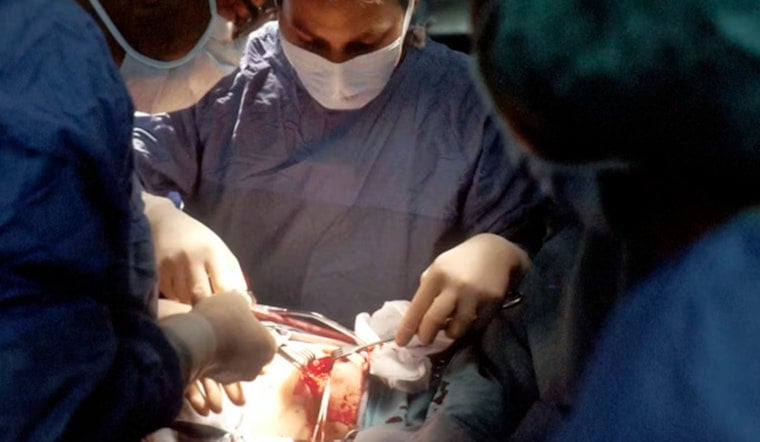
A rare dip in deceased-donor kidney recoveries last year translated into a small but very real drop in transplants nationwide, and it has transplant teams and patients feeling uneasy. The slide comes in the middle of intense federal scrutiny of organ procurement organizations and a string of unsettling stories that many experts say have rattled potential donors. Local advocates warn that even a modest falloff in available kidneys can stretch Chicago's already long transplant waits.
What the analysis found
A new report from the Kidney Transplant Collaborative shows that kidneys recovered from deceased donors declined in 2025 for the first time in more than a decade, resulting in about 116 fewer kidney transplants across the country compared with 2024. The group concludes that the drop in recovered deceased donors largely drove the overall decline, even as living-donor transplants ticked up slightly. Kidney Transplant Collaborative summarized the numbers and their likely impact.
Why experts point to shaken public trust
In the background, federal reviews and high-profile news coverage last year detailed troubling episodes in which organ procurement was initiated in situations later described as out of step with accepted clinical standards. Regulators said those findings justified formal corrective action. Members of Congress followed up with hearings on the Health Resources and Services Administration's (HRSA) review and what it means for patient safety, while federal officials called for clearer rules and tougher oversight.
House Energy and Commerce materials and testimony lay out the agency's findings, and local media in several states have tracked a parallel trend: more people asking to be taken off donor registries. In Michigan, ClickOnDetroit reported notable declines in donor registration after the national probe became public.
How this plays out in Chicago
On the ground in Chicago and northwest Indiana, the organ-and-tissue network Gift of Hope is still trying to keep the system moving. The group coordinates donations for the region and treats community outreach and donor registration as central to its mission, while also backing hospitals throughout the recovery and transplant process. In public reports, the organization points to hundreds of donor referrals and recoveries as evidence of steady local activity.
Gift of Hope stresses that tight local coordination remains crucial even as national figures wobble, because every donated organ can potentially save more than one life.
What leaders are recommending
Advocates argue that rebuilding trust will take more than a public-relations push. They point to the need for concrete fixes inside the system and much stronger support for living donors, including help with medical, logistical and financial hurdles that can keep willing donors on the sidelines. The Kidney Transplant Collaborative has called for a nationwide effort to expand living-donor support programs, and federal transplant officials have started testing new placement and allocation strategies meant to cut down on discarded kidneys and boost completed transplants.
The Associated Press has reported on those recommendations, while federal materials describe pilot protocols that move kidneys considered harder to place earlier in the offer process. HRSA/OPTN has published details of the tests.
Regulatory and oversight fallout
Federal regulators have already ordered corrective actions in response to the probe, and lawmakers have pressed organ procurement organizations and network contractors to speed up reforms that protect donors and stabilize public confidence. Committee briefings filed in the summer of 2025 include HRSA's review and a corrective action plan that seeks to tighten clinical protocols, documentation and communication with families. House Energy and Commerce materials summarize those steps.
For people in Chicago waiting on kidney transplant lists, the math is brutally simple: fewer recovered kidneys mean longer stretches on dialysis and higher risk of serious complications or death. Hospitals, regulators and community groups now face a double challenge, trying to repair public trust while also fine-tuning allocation and donor-support systems that patients depend on for a second chance at life.





