

























































Chicago documentarian David McGowan has been quietly running a different kind of film school in the forests of East Africa, teaching rangers, trackers, and guides in Rwanda and Uganda how to shoot and edit their own short documentaries. He has put camera kits and editing tools directly into the hands of frontline conservation workers, and his students are already turning out short films on community health, birding, and local crafts. McGowan continues to mentor them from Chicago through regular video calls, checking cuts, and talking through story ideas from thousands of miles away.
As reported by CBS Chicago, McGowan traces the project back to a field encounter in 2007, when he realized how many powerful stories rangers were seeing that never made it to the screen. He returned in 2022 to run a month-long class, paying for most of the camera gear himself to get the program off the ground. "These are the people on the front lines of wildlife management," McGowan told CBS, adding that rangers and guides "want to have a voice in the discussion too."
Local Partners And Ranger-Made Films
Local partners, including the Red Rocks Initiative in Musanze, helped host and organize the sessions. With that support, students produced shorts such as One Health Rwanda and Birding in Rwanda, along with films that highlight local crafts and everyday life around the parks.
Organizers say the films are built to foreground community perspectives rather than outside narration. Many projects use local languages, then add English subtitles so that village audiences and international viewers can follow the same stories, just from different sides of the screen.
Hands-On Training And Ongoing Mentorship
McGowan structures the course as a practical boot camp: tripod setup, audio capture, interview technique, and long days of field shoots. He left behind editing hardware and software so that students could keep producing work after the class wrapped, according to Rwanda Wildlife Filmmaking. The idea was not a one-off workshop but the start of an ongoing production culture within the parks.
The initiative backs up those in-person sessions with remote mentorship and guest conversations over Zoom, a format described on the Silver Lining for Learning podcast. Rangers can keep sending rough cuts, asking technical questions, and hearing from outside experts, all without leaving the mountains where they work.
Chicago Roots And An Oscar Nod
Back home, McGowan runs Ravenswood Media in Chicago and has spent decades making environmental and conservation films for nonprofits and government agencies. He is hardly a newcomer to the awards circuit either. The Academy's official database lists him as a 1992 nominee for Documentary Short Subject for The Mark of the Maker.
Why It Matters For Conservation
The logic behind the project is simple but potent: the people who spend every day in the field are the ones most likely to witness rare behavior and complex human-wildlife relationships. Training park staff to document what they see can generate both scientific evidence and public-facing stories that outside crews would almost certainly miss.
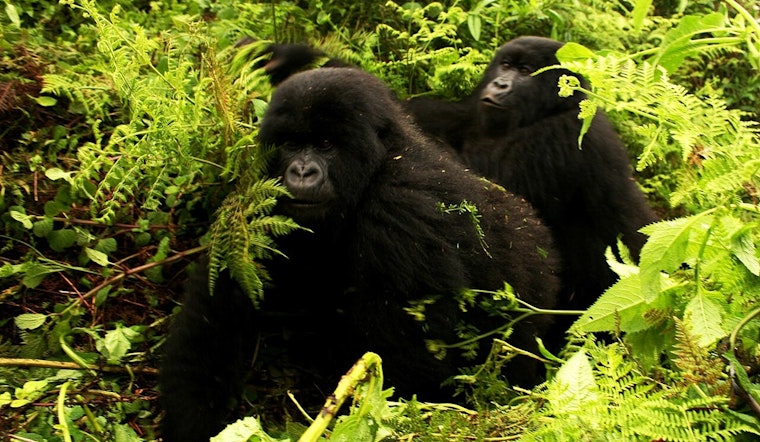
The course grew from an incident in Uganda, where a veterinarian watched an unusual gorilla mourning ritual unfold with no cameras rolling, a missed moment McGowan has cited in interviews. Giving rangers the tools to film on their own is meant to prevent that kind of loss in the future. The resulting films can also bring in income for guides and give nearby communities a stronger voice in how their lands and wildlife are portrayed.
More of McGowan's work, along with projects from his students, can be found on the Ravenswood Media site, where the course page outlines partnerships and how the program is being sustained locally. Organizers say donated cameras, lenses and tripods have had the most immediate impact for new filmmakers who are trying to document the natural world while standing right in the middle of it.





