

























































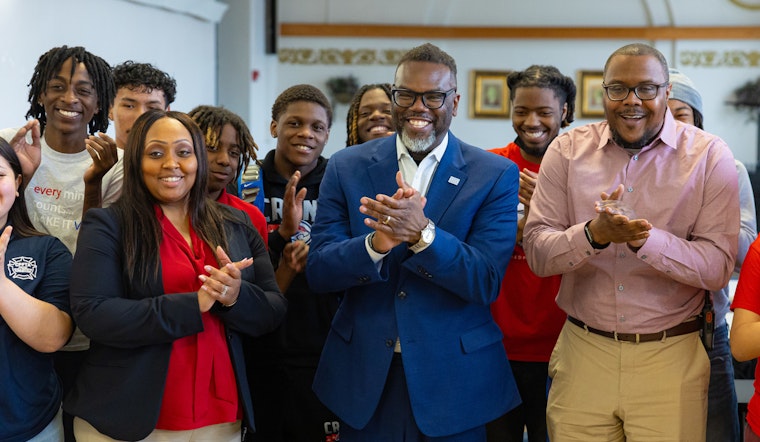
Chicago's year-end numbers are in, and Mayor Brandon Johnson's administration is taking a victory lap for a significant drop in crime rates and strides made in affordable housing and community investment. In a comprehensive review released by the city, officials tout 2025 as the year Chicago transformed into a safer and more affordable urban hub, with historic lows in violent crime and strategic advancement in affordable living spaces.
In a statement obtained by Chicago's official website, Mayor Johnson emphasized the instrumental role that city workers played, especially police and fire departments, in realizing these milestones. "With their joy, culture, and sense of community, Chicagoans from every part of our city made this an unforgettable year," Johnson said, asserting the importance of a vibrant, cohesive community fabric in reaching these goals.
Vital to this year's safety success was a public health approach to crime that involved Community Violence Intervention partners and a strategic focus on the root causes of violence. Such efforts led to a 21.3% decrease in overall violent crime and a staggering 29% decrease in homicides as compared to the previous year. These sizable improvements, according to Chicago Police Department Superintendent Larry Snelling, are a direct reflection of the dedication of Chicago's law enforcement to restore peace throughout the city.
Substantial progress was also made in community areas such as West Englewood and Roseland which saw decreases in homicides by 52.9% and 26.1%, respectively. In terms of gun control, over 11,000 illegal guns were removed from the streets, and the city's lawsuit against Glock, Inc. led to important changes in gun manufacturing, as reported by the city's press release.
But it wasn't just about enforcing the law. The administration also pushed back against federal policies perceived as overreaching, notably in immigration. Mayor Johnson signed executive orders preventing local police from aiding in federal immigration enforcement, as part of a broader Protecting Chicago Initiative. This multifaceted campaign aimed to bolster the constitutional rights of Chicago residents against federal actions that could incite fear or threaten public funding for essential city services.
On the affordable housing front, the city invested $137 million in the construction and renovation of affordable homes and passed several ordinances to increase available housing and eliminate red tape for developers. Chicago also prioritized sustainable living by transitioning its municipal operations to 100% renewable energy and planting tens of thousands of new trees under the Our Roots Chicago program.
Chicago didn't stop at safety and housing—its economy also got a boost. The city surpassed its job placement goals for young Chicagoans, provided the largest shelter investment in history, and facilitated a boom in tourism with a record travel season. The bustling O'Hare International Airport saw its busiest summer ever, marking a high point for the city's economic vitality.
As the curtains draw on an eventful 2025, it's clear that Chicago is pressing forward with a robust agenda for community-driven growth and investment aimed at reinforcing not just the safety and affordability of the city, but also ensuring the overarching well-being and progress of all its inhabitants.





