

























































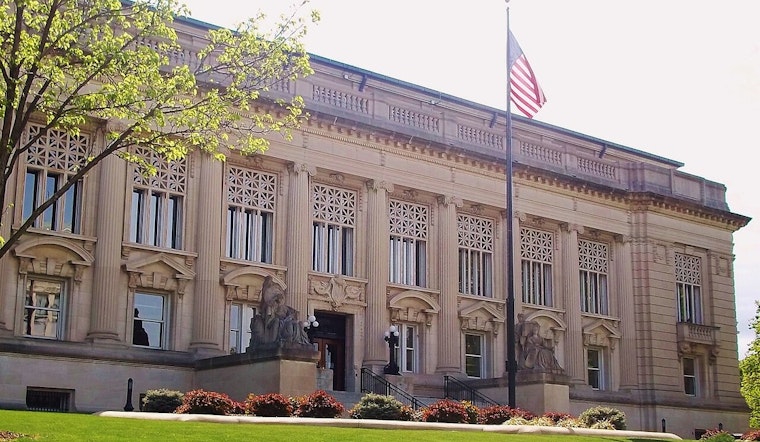
The Illinois Supreme Court on Tuesday took up a closely watched Chicago case that could decide whether employers have to pay workers for time spent in pandemic-era health screenings. Two former Amazon warehouse employees argue the company should have paid them for the minutes they spent in mandatory pre-shift COVID-19 screenings before they were allowed to clock in, raising the question of whether Illinois law silently adopts a federal rule that often leaves pre- and post-shift activities unpaid.
The case landed in Springfield after a federal appeals panel said there was no clear Illinois precedent and asked the state’s high court to decide whether the Illinois Minimum Wage Law incorporates the federal Portal-to-Portal Act’s exclusions, as detailed by FindLaw. The Seventh Circuit has put the underlying lawsuit on hold while it waits for the Illinois Supreme Court’s answer.
During oral arguments, lawyers for the former workers said employees had to show up early, clear a temperature and symptom check, and only then could they clock in, which they say translated into unpaid working time. Amazon’s attorney countered that the screenings were a temporary public-health measure and “not integral or indispensable” to the warehouse jobs themselves, warning that a ruling for the workers could expose employers to significant retroactive liability. Illinois Attorney General Kwame Raoul and the Illinois Department of Labor have filed briefs siding with the workers, according to the Chicago Sun-Times.
Court filings say the screenings typically took about 10 to 15 minutes, and the federal district court threw out both the state and federal claims after holding that the checks fell into the category of preliminary activities that do not have to be paid. Those details come from the original complaint and the district court’s opinion, which outline the screening process and its alleged impact on wages, as reflected in Justia.
What the justices focused on
Several justices pressed Amazon’s position, questioning whether a positive screening result could really be shrugged off as irrelevant to an employee’s ability to perform warehouse tasks, and raising concerns about worker safety if someone who failed screening were allowed to stay on the floor. Justice Mary K. O’Brien asked whether the screenings were truly unnecessary to keeping the workplace safe, signaling that the court is weighing day-to-day operational realities and public-health concerns as it parses the statutory language. The Chicago Sun-Times reported the exchange.
Legal stakes for employers and workers
At the heart of the dispute is whether Illinois will follow the federal Portal-to-Portal framework, which excludes many pre- and post-shift tasks from compensation unless they are considered “integral and indispensable,” or whether the state’s minimum wage law offers broader protections. The Seventh Circuit has told the Illinois Supreme Court that the answer will be decisive: if the workers win, employers could face state-law claims for unpaid time that federal law would otherwise bar; if Amazon prevails, similar claims will be sharply limited going forward. FindLaw outlines the certification and why the issue is so significant.
The Illinois Supreme Court does not announce rulings from the bench, so a written opinion will ultimately decide whether state law tracks the federal exception and how far Illinois employers must go in paying for pre-shift activities. Until that decision lands, the federal appeals panel has kept the case frozen, leaving employers and workers across the state waiting to see how their daily clock-in routines might count on the paycheck.





