

























































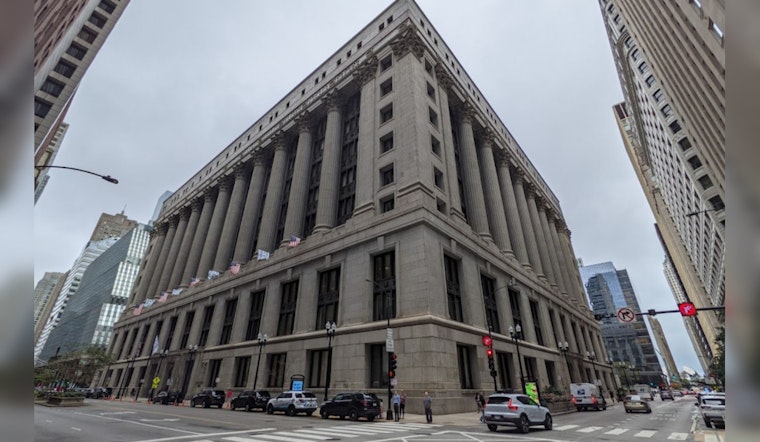
ComEd is trying to keep the AI gold rush from frying Chicagoans’ power bills, and it says it has the contracts to prove it. The utility reports it has inked agreements with eight data center operators, tying firm revenue commitments to big new projects so that existing customers are not stuck paying for transmission upgrades that those facilities never fully use. Company officials say the deals are set to block more than $2 billion in transmission costs from landing on customers over the next decade, shielding the utility’s more than four million accounts across Chicago and northern Illinois.
According to Bloomberg, Commonwealth Edison, the Exelon unit that supplies more than 4 million customers, will now require large users to put up financial commitments before moving ahead with major projects and has already signed deals with eight firms. The arrangements are structured as transmission service agreements that use deposits or revenue guarantees to cover any shortfall if the big power loads that data centers promise do not actually show up.
How the agreements protect customers
In practice, these TSAs mean that would-be data centers need to put real money on the table to secure grid connections instead of letting the cost of new lines and equipment quietly roll into everyone’s rates. A new analysis by the Union of Concerned Scientists found that utilities have approved billions of dollars in data center transmission projects that largely shifted costs to regular ratepayers, with Illinois projects alone accounting for roughly $239 million of such charges in 2024.
ComEd has been pushing for fixes
ComEd’s leadership has been warning about this problem for months. As Bloomberg reported in July, CEO Gil Quiniones asked regulators to allow higher deposits and more collateral from large-load customers so the utility would not leave ordinary households and businesses on the hook if rosy data center demand forecasts never materialize.
Regulatory pressure and what to watch
Consumer advocates are not content to rely on one utility’s contract playbook. The Citizens Utility Board is calling for faster rule changes at both the state and regional level, pointing to record PJM capacity auction results, including a Base Residual Auction price of $333.44 per megawatt-day. The group wants reforms that make sure data centers cover their own share of grid upgrades instead of quietly socializing those costs.
Why Illinois matters
Big tech is already locking in long-term energy deals in Illinois. WBEZ reported that Meta struck a multi-decade agreement to buy power from the Clinton nuclear plant as it scales up AI operations in the state. That kind of commitment helps explain why utilities like ComEd want firm financial promises on the books before building out more infrastructure, and why regulators are facing growing pressure to rewrite who pays for what on the grid.
Bottom line
For now, ComEd says its transmission service agreements will keep most new data center-driven transmission upgrades off household bills. The bigger test will play out at the Illinois Commerce Commission, PJM, and FERC, where upcoming filings and tariff proposals could reset how interconnection and capacity costs are assigned. Those decisions will help determine whether communities around Chicago end up paying for AI-scale power demand or simply hosting it.





