

























































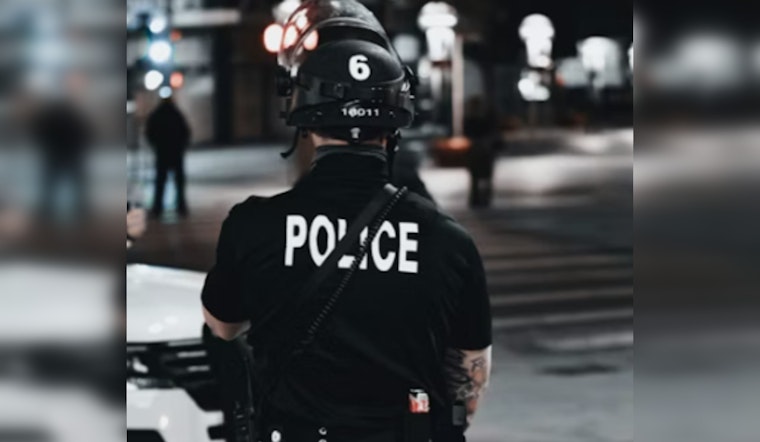
Austin is quietly running a new kind of 911 squad through downtown, aimed squarely at the city's most urgent mental health crises. The three-person pilot team, known as Austin FIRST, has been operating in the downtown core since October, and the city's chief medical officer said this week the unit has already helped roughly 100 people. City leaders say the experiment is designed to get help to people faster and, when possible, keep those in crisis out of emergency rooms and jail.
How the FIRST team works
The Austin Field Integrated Response Support Team brings together three specialties in a single unit: an Austin Police Department crisis-trained officer, an Integral Care clinician, and an Austin-Travis County EMS paramedic. Working as one, the team can self-dispatch to high-acuity mental health calls that might otherwise sit in the queue until police first secure the scene. On site, clinicians focus on assessing psychiatric needs, paramedics handle any immediate medical issues, and officers concentrate on safety.
According to KUT, the model was built to close a long-standing gap in which EMS crews and mental health responders often had to wait on patrol units before stepping in, even when the need for help was obvious and urgent.
Why city officials pushed the pilot
City officials point to a decade of mounting pressure on the 911 system. The Austin American-Statesman reported that mental health calls climbed roughly 269 percent between 2014 and 2024, while response times for the most urgent incidents nearly doubled over the same period. Those numbers convinced leaders it was time to try a more integrated response.
Supporters say the FIRST model could help reduce costly emergency room transports and involuntary detentions if the data lines up with those hopes, although they note that the program is still early in its test run.
Early numbers and what's next
The city set the FIRST pilot to run for six months and plans to present performance data to the City Council in April, as officials decide whether to continue or expand the team. As reported by KUT, the unit soft-launched in October and ramped up later that month.
The city's chief medical officer told KVUE the team has helped about 100 people so far. Agencies involved in the pilot are tracking use-of-force incidents, emergency detentions, and hospital transports as the primary metrics to judge whether the approach is working.
National context and scrutiny
Across the country, researchers have found that co-responder and mobile crisis models can improve connections to care, but the evidence on arrests, use of force, and overall system costs is mixed. Analysts say the outcomes often hinge on details like staffing, training, and how well agencies share data.
The Congressional Research Service outlines how cities have blended crisis intervention teams, co-responder units, and mobile crisis teams in different ways, and it stresses that local evaluations are crucial to figure out what actually works in each community.
We first covered FIRST's launch in November; see Downtown Austin's New Crisis Squad for more background on how the unit came together.





