

























































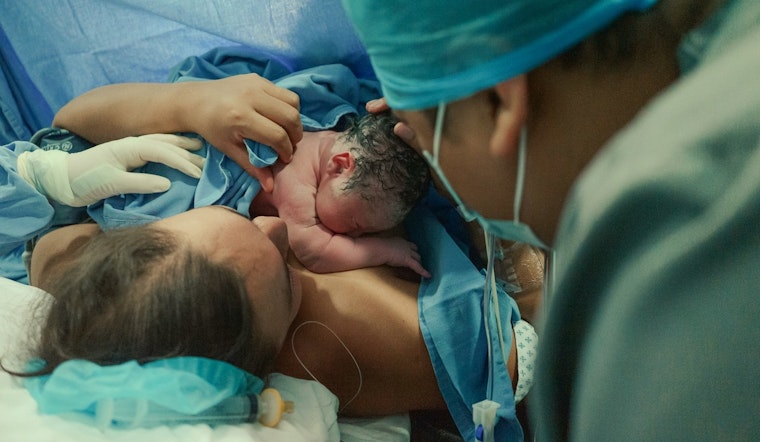
Maternal deaths are climbing in Illinois, and state reviewers say nearly all of them could have been prevented. A new state report on pregnancy-related deaths in 2021-22 lays out a grim picture of who is dying, why, and how often the health care system is failing them.
What The Report Found
Review committees examined 219 deaths that occurred during pregnancy or within a year afterward in 2021-22. Of those, 94 were determined to be pregnancy-related, and roughly 91% were judged potentially preventable, according to the Illinois Department of Public Health. In other words, the overwhelming majority of these deaths did not have to happen.
Leading Causes And When Deaths Occur
Substance use disorder was the single most common cause of pregnancy-related death, showing up in nearly one-third of cases. Blood clots (thrombotic embolism) and COVID-19 were also major killers, accounting for roughly 12% and 11% of pregnancy-related deaths, respectively, while deaths from postpartum hemorrhage climbed to about 10%. Fewer than one-third of pregnancy-related deaths occurred during pregnancy itself. Instead, 43% happened within the first month after the pregnancy ended, and about one-third occurred two or more months later, according to ABC7 Chicago.
Racial And Economic Gaps
The report makes clear that who you are and how you are insured can be a matter of life and death. Black mothers in Illinois were more than twice as likely as White mothers to die from any pregnancy-related cause, and more than three times as likely to die from purely medical pregnancy-related conditions. The pregnancy-related mortality rate for Black Illinoisans was 78 deaths per 100,000 live births. Reviewers found evidence of discrimination in 74% of Black pregnancy-related deaths, and Medicaid recipients died almost four times as often as people with private insurance, according to the Illinois Department of Public Health.
State Response: Blueprint, Training And Medicaid Changes
Officials are trying to show that these numbers are not just being filed away on a shelf. The findings are feeding directly into the Illinois Blueprint for Birth Equity, a plan released in September 2025 that was shaped with input from Black midwives and doulas in collaboration with Lt. Gov. Juliana Stratton. The blueprint calls for expanding access to care, offering workforce incentives, and improving coordination with community providers, as reported by ABC7 Chicago.
Lawmakers have also put some policy muscle behind the rhetoric. In August, Gov. JB Pritzker signed House Bill 2517, which requires anti-bias training for obstetric providers. On the Medicaid side, the Illinois Department of Healthcare and Family Services has started reimbursing evidence-based home visiting programs for pregnant and parenting Medicaid enrollees, effective November 21, 2025, according to a provider notice from Illinois HFS.
National Context And What Comes Next
Illinois is not an outlier in seeing maternal deaths rise. Nationally, pregnancy-related death rates spiked through 2021 before easing in 2022, with a JAMA Network Open analysis finding large differences by state and by race. The Illinois report fits into those broader trends, including more deaths occurring later in the postpartum period and a growing role for drug-related causes.
State officials and advocates say the blueprint, anti-bias training requirement, and new Medicaid home-visiting benefit are all steps in the right direction. But with review committees calling roughly 91% of pregnancy-related deaths preventable, they also warn that sustained funding, ongoing provider training, and more community-based capacity will be critical if Illinois actually wants to see those numbers fall instead of rise.





