

























































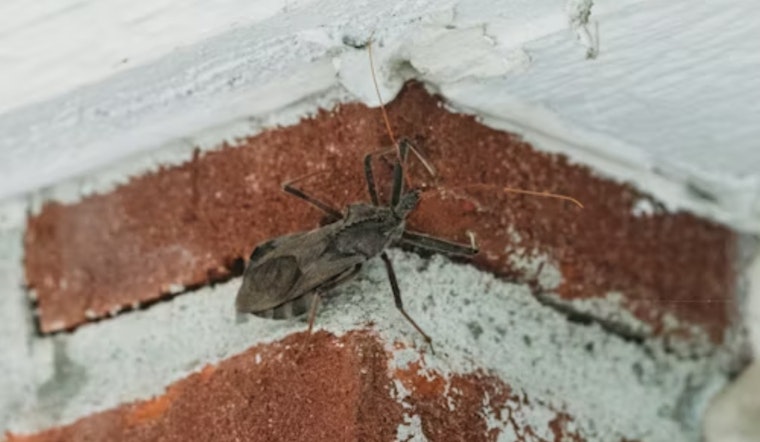
Nearly nine out of ten "kissing bugs" tested near the U.S.-Mexico border were carrying the parasite that causes Chagas disease, according to a University of Texas at El Paso research team. The finding comes from a small field sample around El Paso and southern New Mexico, but it is serious enough that researchers are urging residents to tighten up basic home pest-proofing while they investigate whether people or pets may already be infected.
The study, published online in Epidemiology & Infection, reports that researchers tested 26 triatomine bugs and found 22 of them, or 88.5%, positive for Trypanosoma cruzi, the parasite responsible for Chagas disease. The insects, identified as Triatoma rubida, showed a much higher infection rate than in the group’s earlier regional sampling, which the authors describe as a marked increase.
Field collections came from yards and natural areas across El Paso County and southern New Mexico, including Franklin Mountains State Park, the UTEP campus, Central El Paso, and Canutillo. Teams pulled specimens from spots like under garden furniture and woodpiles. Local reporting notes that bugs were gathered in both wild habitats and peri-urban residential areas, and it is that broad geographic spread of infected insects that has researchers and public-health officials on edge. As reported by KFOX14, the findings suggest rising exposure in and around homes.
“The infection prevalence in kissing bugs has risen significantly, from 63.3% in a study we conducted in 2021 to now 88.5%, indicating a marked upward trend,” said Rosa Maldonado, who led the study. In a UTEP news release announcing the work, the researchers said they plan follow-up community testing to determine whether residents or pets are already infected. Those results, the university added, will help decide whether local screening and treatment campaigns are needed as part of a broader surveillance effort.
How Big a Risk Is Chagas Here?
Chagas disease, caused by the parasite Trypanosoma cruzi, affects millions of people worldwide and can trigger serious heart and digestive problems years after infection. Human infections acquired in the United States remain uncommon compared with Latin America, but the parasite, infected triatomine bugs, and animal reservoirs have all been documented across the southern United States. That pattern has researchers calling for wider surveillance and testing, according to Emerging Infectious Diseases.
State public-health guidance notes that triatomines can carry T. cruzi and that dogs and other mammals are susceptible, so keeping pets indoors and cutting down on outdoor hiding places for bugs can lower risk, according to Texas DSHS. Health officials say locally acquired human cases have been documented but remain relatively rare compared with endemic areas of Latin America. For households in border communities, the agency recommends routine pest-proofing and regular veterinary check-ups for pets that could be exposed.
How To Reduce the Risk at Home
UTEP’s research team is urging residents to take straightforward precautions now: seal cracks and gaps in walls and foundations, install or repair window screens, clear away woodpiles and yard debris that can shelter bugs, keep pets indoors when possible, and switch off unnecessary outdoor lights at night that attract insects, the university says. These steps echo long-standing vector-control advice and are relatively low-cost ways to cut down on contact with triatomines. If kissing bugs are found in or around a home, experts recommend photographing or safely capturing a specimen for identification and contacting local public-health authorities.
The UTEP team told local media it will move ahead with community testing to determine whether human or animal infections are already present, a step that could shape future screening and treatment plans, as reported by KFOX14. If you come across a kissing bug, avoid handling it with your bare hands; photograph or trap it only if you can do so safely, notify your local health department, and contact your physician if you develop symptoms. For more on prevention and when to consider testing, see guidance from the CDC.
Editor's Note: This article has been updated to reflect the correct specimen collection location.



