

























































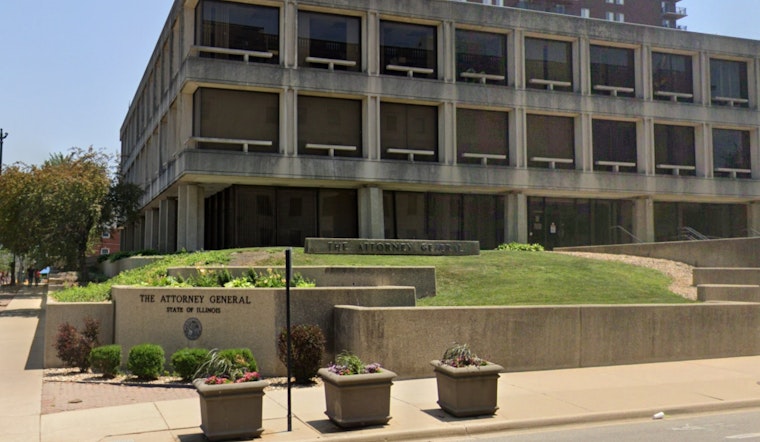
Illinois Attorney General Kwame Raoul has announced a settlement with The Kroger Co. and SSI Services LLC over the mishandling of asbestos at a Taylorville grocery store. The allegations stated that the companies had improperly managed renovations that left asbestos-containing floor tiles in public areas while the store continued to operate, imposing a significant health risk on customers and staff. According to the Attorney General's office, there is no safe level of exposure to asbestos, which is known to cause severe diseases such as lung cancer, mesothelioma, and asbestosis.
"This settlement holds Kroger, and SSI Services accountable for jeopardizing the public’s health by exposing shoppers and employees to dangerous materials containing asbestos," Raoul said. "I’m pleased that this case is resolved and that abatement been completed. I remain committed to protecting Illinois residents from those who would jeopardize their health, safety and the environment." Inspections leading to the discovery of the broken tiles prompted the Illinois Environmental Protection Agency to issue a seal order in July to protect the public. The necessary abatement plan was executed by the companies after being sued by Raoul, resulting in the lifting of the seal order in December.
Under the terms of the settlement, Kroger and SSI Services are mandated to avoid future violations of this nature. Furthermore, they have been ordered to pay $108,000 in civil penalties. The case, overseen by Assistant Attorneys General Christina Briggs and Bridget Flynn from Raoul’s Environmental Bureau, reflects the ongoing efforts to enforce regulations designed to safeguard public health and the environment from asbestos exposure.
The incident serves as a critical reminder of the potential dangers hidden within building materials and the importance of strict adherence to safety protocols. Organizations like Kroger and SSI Services, typically trusted by the public for their strict compliance with health and safety regulations, have faced consequences for lapses that put individuals at risk of exposure to harmful substances. This settlement reflects the state's rigorous stance on public health protection and its readiness to hold entities accountable for actions that may pose a detriment to the well-being of residents.





