

























































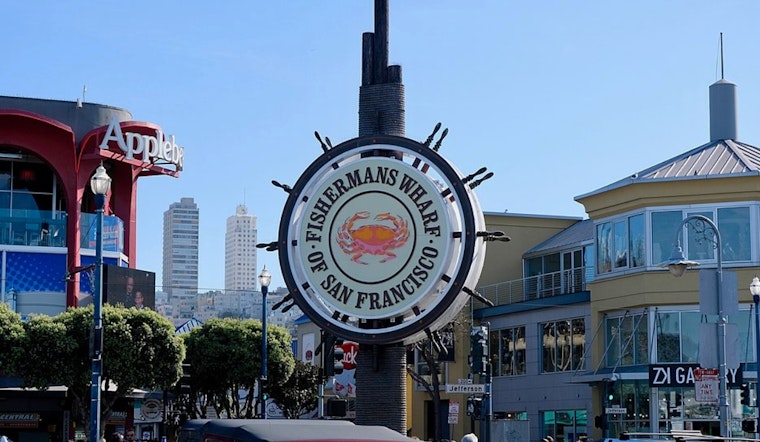
District 3 Supervisor Danny Sauter is trying to pull a long-shelved transit dream back into the spotlight, reviving a proposal to extend the Central Subway north into North Beach and on to Fisherman’s Wharf. He has called a City Hall hearing tomorrow to walk through the options, arguing that the extension could use tunnel sections already bored to Washington Square Park and cut travel time from Moscone Center to the waterfront to roughly eight minutes. The renewed push leans on planning work that dates to a 2015 concept study and sets up a familiar clash between big-picture connectivity goals and near-term budget and neighborhood worries.
Sauter’s hearing and his eight-minute selling point were detailed in reporting by the San Francisco Chronicle, which also quoted SFMTA spokesperson Parisa Safarzadeh saying the agency is focused on “prioritizing cost-effective improvements” given its current financial constraints. The Chronicle reported that SFMTA is facing a roughly $307 million shortfall that the agency projects could grow to more than $430 million over the next five years. Sauter has framed the hearing as a way to get a clearer, public accounting of technical options and tradeoffs before anyone moves toward a decision.
What’s already under North Beach
According to the SFMTA, Central Subway construction left tunnel sections running north of Chinatown that currently end near Columbus Avenue and Union Street, and those tunnels were engineered to allow future service extension. The agency’s project page points back to the 2015 T Third (Phase 3) Concept Study and says a new Alternatives Study would build on that work to sort out viable routes and station locations. Having that tunneled corridor already in place trims some early excavation, but it does not erase the engineering headaches or community impacts that come with carving out stations under a dense, historic neighborhood.
Price tag and study findings
Coverage of the 2014-15 study outlined a wide cost range, depending on alignment and whether trains would stay underground or surface to run on surface streets. Estimates ranged from about $367 million to roughly $1.4 billion for options that kept the entire extension below ground. SPUR and other analyses argued that the project could significantly boost T-line ridership, in some scenarios by roughly 50 percent, and take pressure off overcrowded surface routes. That promise has to be weighed against the Central Subway’s own history on cost and schedule; reporting from the opening period noted that the project ultimately carried a roughly $1.95 billion final price tag, a number that has left many officials wary of signing up for another large tunneling effort.
Local worries about construction impacts
North Beach residents and small businesses are not blind to the upside, but many say they are bracing for a repeat of the pain. They worry that years of construction could hollow out neighborhood shops and churn up Washington Square Park. Dario Hadjian, owner of Piazza Pellegrini, told the San Francisco Chronicle that excavation for the original line nearly bankrupted his restaurant, and neighbors warn that any future shafts or station work near the park would likely trigger fierce opposition. Those memories have hardened the neighborhood’s insistence on careful routing and aggressive mitigation plans.
Who’s pushing and what comes next
Advocates such as SF NexTstop and business groups argue that completing the subway to the Wharf would knit together major job centers and tourist hubs, cut surface congestion and make the T-line more competitive when it comes time for federal funding reviews. Sauter’s hearing will bring SFMTA staff to City Hall to walk supervisors and the public through possible alignments, station locations, and costs. Whether that turns into an actual funded project will depend on political will and where the city finds capital.





.jpg)