

























































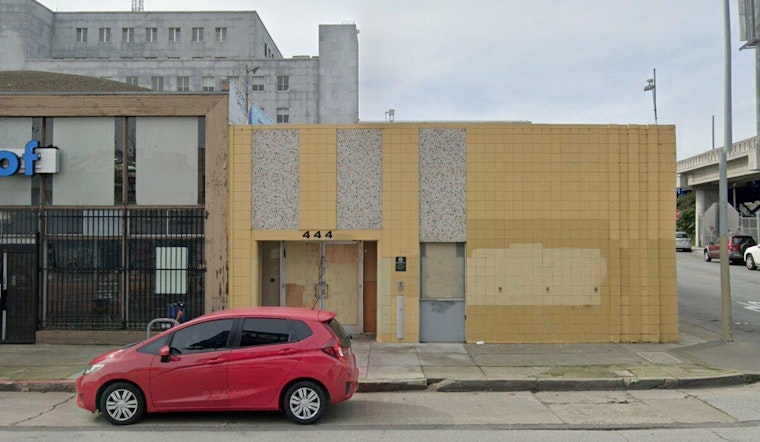
San Francisco is preparing to open a new short-term crisis center for people arrested while under the influence of drugs, planting it at 444 Sixth Street next to the Hall of Justice this spring, according to city officials. The facility, called RESET (Rapid Enforcement, Support, Evaluation, and Triage), is designed to briefly hold and triage individuals taken into custody for public intoxication, connecting them with medical care and treatment instead of automatically booking them into jail or sending them to an emergency room. Officials say the push is aimed at South of Market and other high-use neighborhoods where police and emergency responders frequently encounter visible drug use. The rollout comes as overdose fatalities climb and serves as a key piece of Mayor Daniel Lurie's broader "Breaking the Cycle" strategy.
How the center will operate
Sheriff Paul Miyamoto has described RESET as "an alternative to jail or the emergency room" and confirmed the site will be at 444 Sixth Street next to the Hall of Justice, according to KRON4. City officials say that people brought to the center will receive a medical evaluation, be offered withdrawal management and social service referrals, and will generally be eligible for release once they are able to care for themselves. The mayor's office states that the site is designed to facilitate seamless transitions to Department of Public Health services and to prioritize RESET clients for available treatment slots.
Part of the Breaking the Cycle plan
Mayor Daniel Lurie folded RESET into his "Breaking the Cycle" executive directive, which outlines both immediate and longer-term actions to address homelessness, addiction and public safety, according to SF.gov. The same directive calls for a 24/7, police-friendly crisis stabilization site at 822 Geary Street and a set of other measures intended to expand treatment capacity and speed up placements into shelter and recovery programs.
Why now
City officials are pointing to a grim backdrop of rising fatal overdoses: nearly 600 accidental drug deaths in San Francisco between January and November 2025, with fentanyl driving most of those cases, according to data cited by KRON4. Officials argue that a dedicated intake and sobering site gives first responders a focused place to stabilize people and try to connect them to treatment during what can be a very narrow window of willingness to accept help.
Timeline and on-the-ground details
The city had originally aimed for a December opening but now says RESET will debut sometime this spring. One outlet reported the center may not begin accepting people until March or April as funding and renovations are finalized, according to the Gazetteer SF. That reporting also described a modest clinical layout with roughly 16 to 25 reclining chairs and estimated that the Sheriff's Office role could cost about $1.5 million to $2 million per year to staff the facility around the clock.
Legal and enforcement questions
Officials have said people brought to RESET will first be arrested, and the sheriff has cautioned that repeated cycles through the center without any connection to treatment could still end with a jail stay. From his perspective, he summarized the approach as "like a big drunk tank that's not in a jail," according to Gazetteer SF. Civil-liberty and public-health advocates are expected to watch closely how the program balances care and enforcement as San Francisco tests this new approach to public intoxication and drug use on its streets.





