

























































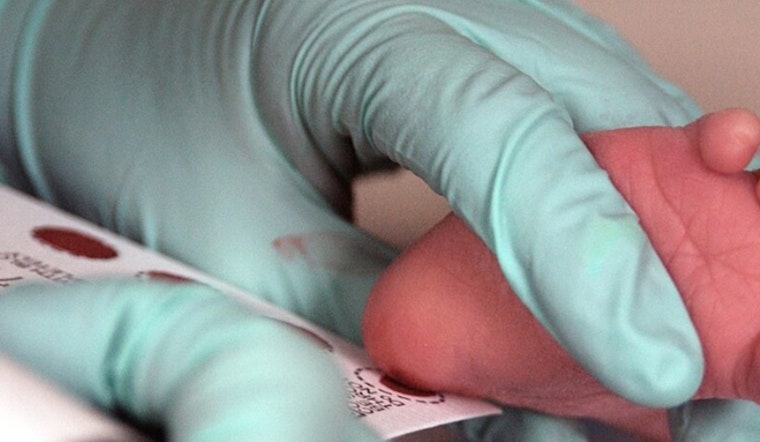
Wisconsin health officials have started the formal process to add Krabbe disease to the state’s newborn screening panel, a move advocates say could spare future families from the kind of late diagnosis that cost Collin Cushmann his life. The proposal is now in formal rule‑making and, according to state documents, laboratory setup and policy work mean testing may not begin for months, or possibly up to two years. For Wisconsin parents, the change would widen the state’s public‑health safety net for a disorder that can advance with frightening speed in infants.
“It’s a little bittersweet, because it’s my last tie to the living Collin,” said Kevin Cushmann, whose son died of Krabbe in 2019, according to FOX6. The outlet reports that Department of Health Services Secretary‑designee Kirsten Johnson signed a letter to add Krabbe to the screening list and that the Cushmanns have been pressing for this change since 2015.
Rulemaking and timeline
According to the Department of Health Services’ rule docket, the change is moving forward under Chapter DHS 116 as Clearinghouse Rule CR 25‑086, and the department’s administrative‑rules page posts the proposed rule text, analysis and hearing information. The Wisconsin Department of Health Services notes that the rule‑making timeline includes a public comment period and that, once the rule is finalized, putting a new screening in place, including lab setup and clinical follow‑up pathways, could still take up to two years.
Why early detection matters
Krabbe disease is an inherited leukodystrophy that most often appears in infancy and is estimated to affect roughly one in 100,000 births, according to the Orphanet Journal of Rare Diseases. A recent evidence review and recommendation found that the only disease‑modifying therapy for infantile Krabbe, hematopoietic stem cell transplant, is most effective when completed before about four to six weeks of age. That tight window underscores why newborn screening and rapid confirmatory testing are critical for timely treatment, according to PubMed Central.
What families can expect
As FOX6 noted, Wisconsin’s newborn screening program currently tests for 50 conditions, and officials said Krabbe would become the program’s 51st once procedures are in place. Laboratory experts and recent analyses recommend a two‑tier testing strategy, using an initial GALC enzyme assay followed by psychosine measurement, to cut down on false positives and make sure the most urgent cases are flagged quickly, according to ScienceDirect.
How to comment and next steps
Documents, proposed rule text and instructions for public comment are posted on the Department of Health Services’ administrative‑rules site, which lists a contact for the Birth Defect Prevention and Surveillance Program and outlines how to submit feedback. The Department of Health Services’ newborn screening page also provides fact sheets and FAQs for parents on what an abnormal screen may mean, how confirmatory testing is handled and where families are referred for specialty care.





