

























































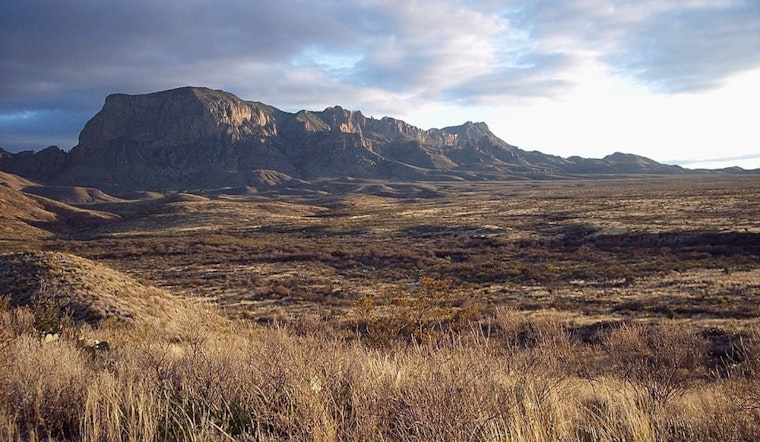
Federal plans to run a physical border barrier straight through Big Bend National Park are landing like a thunderclap in far West Texas. Updated federal maps now show a planned “primary border wall” hugging the Rio Grande across big stretches of the park and nearby state lands, a move critics say would industrialize a remote, ecologically rich corridor and gut the area’s travel economy.
The expanded footprint surfaced on a U.S. Customs and Border Protection “Smart Wall” map in mid-February, and the Department of Homeland Security announced on Feb. 17 that Parsons Government Services will oversee the work, a program DHS says could wrap up by early 2028, according to KUT. Local TV news quickly jumped on the shift, with FOX 4 Dallas–Fort Worth airing a segment on the backlash now brewing along the state’s desert border.
Federal filings and local reporting show DHS has moved to waive roughly 28 federal environmental and cultural protection laws to fast-track construction, a procedural pivot flagged in the Big Bend Sentinel’s review of Federal Register notices. Those waivers let the agency sidestep statutes that normally require environmental studies and archaeological safeguards, a shortcut that has conservationists on edge.
The policy shift lines up with a map reclassification that would place about 111 to 112 miles of primary barrier along the park’s riverfront and nearby public lands, including areas that were previously slated for technology-only coverage, according to FOX 7 Austin. CBP materials describe the Smart Wall concept as a mix of steel bollards, access roads, cameras and sensors, with final designs tailored to terrain and operational needs.
Local Leaders Raise Alarms
On the ground, county officials and business owners say they were blindsided, and they are not exactly being polite about it. Pecos County Judge Joe Shuster told The Dallas Morning News, “Nobody wants a damn wall,” arguing the project would wreck the scenery that draws visitors and undercut the livelihoods that depend on it. Brewster County Judge Greg Henington, a former river outfitter, has voiced similar concerns, saying most residents view the whole idea as “preposterous.”
Conservation Groups Mobilize
The National Parks Conservation Association is sounding the alarm, warning the proposal would “choke off vital wildlife migration routes, intensify flooding risks, and inflict irreparable damage,” according to an NPCA statement. “Big Bend is no place for a border wall,” NPCA Texas regional director Cary Dupuy said, noting that park visitors generated more than $60 million in local spending in 2024. The group argues the plan would hit both fragile ecosystems and the regional tourism engine that keeps small desert communities afloat.
What The Feds Say
U.S. Customs and Border Protection is pitching the effort as one piece of a nationwide Smart Wall rollout that blends traditional barriers with high-tech surveillance and new infrastructure. Contract awards for projects could begin this year, according to the Houston Chronicle. DHS officials say terrain and operational demands will dictate whether a given stretch gets steel bollards, waterborne barriers in the river, or technology-only systems.
Tourism, Wildlife And The Bottom Line
Park operators and river outfitters warn that closing or rerouting river access points and carving new staging roads into the landscape would hammer guides, campgrounds and small hotels that currently serve roughly half a million visitors each year. Conservation advocates point to the tens of millions in regional visitor spending, a figure cited in the NPCA statement, and argue that those gains could evaporate if the park starts to look and feel like a construction zone, according to NPCA. Scientists and environmental groups also warn that bollard fencing can trap debris during flash floods and worsen erosion, driving up the long-term environmental cost.
What’s Next
Organizers are already shifting into protest mode. Demonstrations are being planned, a petition is circulating, and activists are working toward an April 4 rally at the Texas Capitol. Local lawmakers are pressing federal agencies for answers as the contracting process moves ahead, according to the Austin Post. Legal challenges, land-acquisition fights and scrutiny from Congress could still reshape the timeline, but for now, residents say they want clear details on access to public lands, updated flood studies and assurances that park infrastructure will not be sacrificed in the rush to build.





