

























































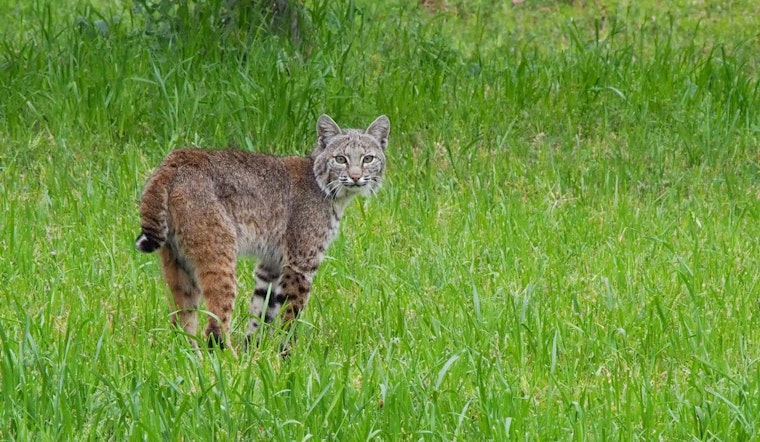
Indiana’s first bobcat trapping season wrapped up in a hurry, with the Department of Natural Resources closing it on Dec. 6, 2025, after trappers hit the statewide quota of 250 bobcats. The season had been set to run from Nov. 8, 2025, through Jan. 31, but it was always designed to shut down early if the harvest cap was reached.
Each trapper was limited to one bobcat and had to play by some strict new check-in rules. According to the Indiana Department of Natural Resources, the season bag limit was one animal per licensed trapper, with a hard statewide quota of 250. Successful trappers were required to register their bobcat within 24 hours using the CheckIN Game system, skin and separate the pelt from the carcass before registration, and then present pelts for physical registration and CITES tagging within 15 days after the month of harvest. The agency also makes it clear there is no grace period for bobcats taken after the closure date.
How the Season Played Out
The quota did not last long. Within a few weeks of the Nov. 8 opener, the 250-bobcat limit was met, triggering the early shutdown. “Licensed trappers had a successful first bobcat trapping season,” DNR furbearer and gamebird program leader Geriann Albers said, as reported by Grand View Outdoors. Officials said the quick fill showed strong interest among trappers and helped boost license sales.
Pushback From Advocates
Not everyone was impressed with how quickly those 250 tags were claimed. Animal-welfare groups blasted both the harvest and the pace at which the quota was reached. Samantha Chapman, Indiana state director for Humane World for Animals, called the season “nothing short of a mass slaughter” in a statement reported by the Indiana Capital Chronicle. Advocates are urging the DNR to release more monitoring data and to consider shifting season timing or tightening bag limits before any future harvests.
Rules, Tags and What Comes Next
The bobcat trapping season was limited to 40 southern Indiana counties and came about after a 2024 law ordered the Natural Resources Commission to set specific rules, including the one-animal bag limit and the 250-bobcat quota, according to WBIW. Because bobcats can be mistaken for endangered lynx, pelts must receive CITES tags before they can legally cross state lines or be sold in interstate commerce.
State officials say they will review this season’s harvest data and survey license holders to guide next year’s management decisions, including possible tweaks to season timing and the quota. The DNR told reporters it expects to use the numbers from this first run to refine how the season is managed and that, unless the legislature steps in, the current framework will control next year’s bobcat season as well.
Trappers are reminded to register any harvest through the CheckIN Game system and to work with furbearer registration stations for CITES tagging and any related questions.


