

























































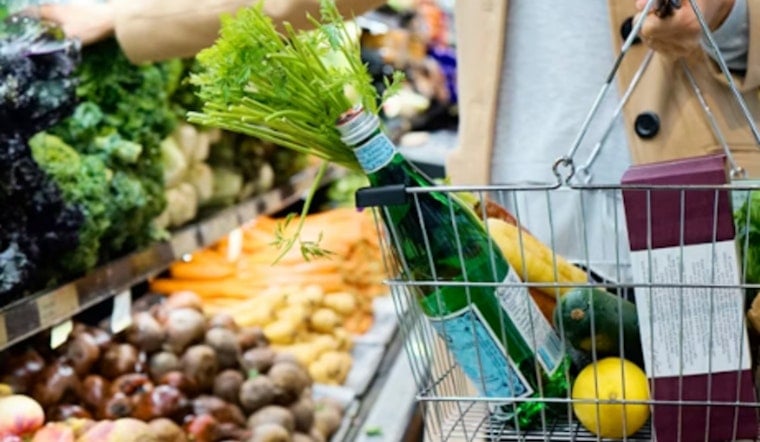
Seattle households are increasingly relying on low-cost, shelf-stable meals as grocery prices—about 30% higher than pre-pandemic—strain budgets. Families and single workers are turning to canned casseroles, microwave mac-and-cheese with added veggies, and other cheap hacks as a regular strategy to cope with rising expenses across food, rent, and utilities.
That shift takes center stage in a "Booming" episode from KUOW. The segment features Rebecca Chobat, the creator behind the "Dollar Tree Dinners" videos, and economist James McCafferty of Western Washington University. According to KUOW, grocery costs in Seattle sit roughly 30% above pre-pandemic levels, and shoppers say they are changing what they buy, and where they buy it, to stretch each paycheck.
Why Prices Jumped And What It Means
Economists point to a messy pileup of shocks that helped push grocery prices higher: pandemic supply-chain snarls, commodity spikes tied to the war in Ukraine, and disease outbreaks that hammered poultry and egg supplies. The result is familiar to anyone who has glanced at a receipt lately, even as year-over-year inflation has cooled. The USDA Economic Research Service reports that food-at-home prices jumped sharply in 2021 and 2022. Growth has slowed since, yet the cumulative climb since 2019 still leaves grocery totals significantly higher. For many shoppers, that math means trading fresh, often pricier, ingredients for shelf-stable bargains in the short term.
Local Strain Deepens Demand For Cheap Meals
In King County, the strain is showing up at food pantries and in public budgets. The Seattle Times reported that county leaders tapped emergency funds for hunger-relief providers as federal SNAP changes collided with higher prices, sending more households to seek help. Regional coverage has documented big jumps in food-bank use. Food redistributors such as Food Lifeline have moved tens of millions of pounds of food to meet that demand, a sign of how stretched the safety net has become. Community groups warn that when need is this intense, the cheapest shelf-stable options often become the default, even when everyone knows they are not the healthiest choice.
How Viral Recipes Turned Practical
On social media, creators like Rebecca Chobat turned dollar-store cooking into a minor phenomenon, then watched it morph into a real-world survival guide. Step-by-step videos show how to turn a handful of low-cost cans and packets into something that at least feels like dinner. Good Morning America highlighted how Chobat's budget Thanksgiving casserole went viral and how followers wrote in saying they were using the recipes to feed their families, not just to chase clicks. The appeal is straightforward: a predictable, bottom-line-friendly meal that fills plates when other options are simply out of reach.
Nutrition Tradeoffs And Practical Tips
Health experts, meanwhile, are waving a quiet caution flag. Relying heavily on ultra-processed, shelf-stable foods often means taking in more sodium and fewer nutrients over time, which can raise the risk of chronic health conditions if those items become daily staples. Research from the Harvard T.H. Chan School of Public Health and recent federal analyses points to clear tradeoffs in diets packed with ultra-processed products. They suggest practical substitutions that still respect tight budgets, such as frozen vegetables, canned beans, and whole grains that deliver more nutrition for similar cost. Local health and food organizations say both shoppers and pantries are trying to strike that balance between affordability and nutrition, although funding and supply often limit how far they can go.
Grocery sticker shock is not going to vanish overnight, and for now dollar-store dinners have joined the list of coping tools Seattle households reach for when the budget gets tight. Reporting from KUOW lays out the local numbers and the personal stories behind the trend, with its "Booming" episode weaving together voices from cooks and economists who explain how we got here. City and county leaders say targeted funding and stronger food-policy supports will be needed to ease the pressure on residents who can no longer absorb one more price spike.




