

























































El Paso is about to see a whole lot of fresh asphalt. City Council has signed off on two contracts that will let the city spend up to $66 million over the next two years repaving and resurfacing streets across town, a move officials say is aimed at smoothing out the roughest corridors and stretching the life of the road network.
The plan mixes big, heavily used arteries with neighborhood streets so crews can line up work with utility projects and other capital improvements instead of tearing up the same stretch twice. City staff say the focus is on ride quality and long-term pavement life, not quick cosmetic fixes.
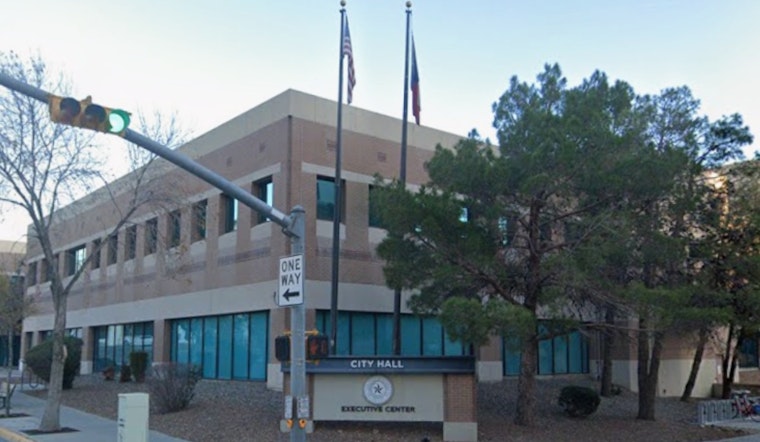
Council approved the contracts at a Feb. 3 meeting, backing the 2026 627 Street Resurfacing List that includes Sean Haggerty, Rich Beem, Cotton, and Executive Center, according to KFOX. The program zeroes in on corridors the city has rated as either "poor" or "marginal" and treats them as part of a scheduled two-year cycle that also takes into account contractor availability and utility coordination.
Which streets edged to the top
Many of the streets on the 2026 627 list earned their spot because of low Pavement Condition Index scores and other practical factors. "For years now, El Paso has been utilizing data-driven management processes to objectively prioritize streets for resurfacing," Randy Garcia, director of the Streets and Maintenance Department, told KFOX.
City officials also weighed traffic volumes, upcoming utility work, and estimated construction costs when deciding which segments should be tackled first. The idea is to stretch every resurfacing dollar while avoiding the kind of overlap that forces crews and drivers to revisit the same corridors over and over.
How the city picks and pays for work
The City of El Paso tracks pavement on a 0-to-100 Pavement Condition Index and schedules resurfacing work two years in advance, according to the City of El Paso. The municipal street network is valued at about $3.6 billion, and the city typically invests around $10 million a year in resurfacing through a pay-as-you-go program.
Planners say lining up work in biennial lists helps limit repeated disruptions, gives staff room to sync with utility projects, and allows bond-funded capital programs to move in step with resurfacing schedules. In theory, that means fewer surprise orange cones and more coordinated construction seasons.
What the last cycle delivered
The Street Department is finishing up the 2024 625 resurfacing list, which delivered roughly $38.7 million in improvements to residential streets and major corridors such as Lee Trevino, Sunland Park, and El Paso Drive, according to reporting by KTSM. City staff said completing that round of work clears the way for the new contracts so crews can move directly to the next set of prioritized segments without clashing with utility projects.
Residents along the affected streets can expect construction signs, shifting lanes, and short-term closures as resurfacing rolls out over the next two years. The city plans to post project schedules and detour maps on its website and to notify nearby neighborhoods before crews move in.





