

























































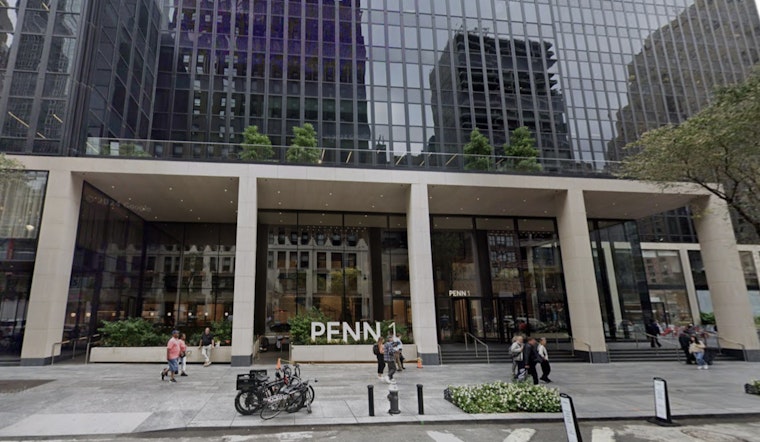
The Korein family is asking a New York judge to put a courtroom price tag on the land along the south side of West 34th Street, cranking up a long‑simmering fight with tenant Vornado Realty Trust into a full‑blown valuation showdown. Instead of letting the dispute play out in arbitration, the family now wants a judge to decide what the ground under Vornado’s PENN 1 complex is worth and, by extension, how much rent Vornado should be paying under a decades‑old ground lease.
In a lawsuit filed Tuesday, the Koreins urge the court to adopt an appraisal that values the parcel at roughly $1.9 billion, saying appraiser David Pearson arrived at that number using standard industry methods. The complaint also points to an appraisal from last year that pegged the same land at no more than about $337 million. At the center of the fight is a 1970 ground lease that sets rent at 6% of the land’s fair‑market value, a formula the Koreins say makes the valuation essentially the whole ballgame for annual rent. Crain's New York Business reported the filing and laid out the competing appraisals and expert lineups.
Vornado has pushed back hard, telling investors and a court that the Koreins’ headline figure is inflated and that a mix of legal and factual issues could wipe out the fee owner’s claim. An arbitration panel in April 2025 had set the 25‑year ground rent at $15 million a year, but on Oct. 31, 2025, a court granted a motion to vacate that determination. Vornado says it is appealing that vacatur and reversing previously accrued rent tied to the panel’s number. The company’s filings also point to separate litigation over a potential sublease, which Vornado has asked higher courts to toss and which it says could weigh on the land’s value. SEC
PENN 1 sits on the block between Seventh and Eighth avenues and 33rd and 34th streets, a full‑block redevelopment that Vornado has repositioned as a key piece of its Penn District strategy. Any change in ground rent there could ripple through Midtown’s leasing math and Vornado’s broader plans in the area. At the time, market coverage cast the arbitration panel’s 2025 ruling as a relief for Vornado, underscoring how a valuation fight over a single ground‑lease parcel can have company‑level consequences. CoStar
Legal Stakes And The Math
Because the lease ties rent to 6% of fair‑market value, the math is blunt: six percent of $1.9 billion comes out to roughly $114 million a year, far above the single‑digit millions Vornado has been paying or booking under the arbitration panel’s earlier figure. That spread explains why both sides have hired heavyweight appraisal teams and why the Koreins now want a judge, not another panel, to lock in a number.
What Happens Next
The Koreins’ filing asks the court to decide the valuation question directly and to sort through the competing expert reports. The judge could embrace one party’s appraisal, order an all‑new appraisal, or send the whole mess back into arbitration. Vornado has told investors it plans to keep pressing its appeals and notes that related sublease litigation is still live, so more motions, hearings, and filings are likely before anyone gets a final, court‑stamped value on the dirt under PENN 1. SEC
For Midtown landlords and tenants watching from the sidelines, the case is a reminder that valuation clauses tucked into 1970s ground leases can still bite in 2020s Manhattan and that a single judge’s ruling on paper could reshape cash flows around Penn Station for years to come.





