

























































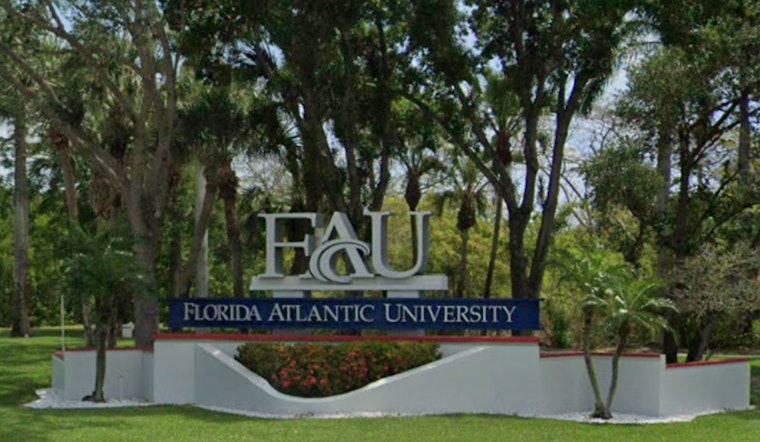
Florida Atlantic University could soon find its hiring pipeline squeezed tight, as the State University System moves toward a pause on new H-1B visa sponsorships that FAU leaders say would derail faculty searches and key research. At a Jan. 29 meeting, the Board of Governors advanced a notice of intent that would bar new H-1B sponsorships through Jan. 5, 2027, with a final vote set for Feb. 23. FAU faculty senators and department chairs warn the timing collides directly with fall 2026 searches for clinicians and highly specialized researchers who often arrive on H-1B visas.
Board Moves To Hit Pause On H-1B Hiring
During the Jan. 29 session, the Board of Governors’ Nomination and Governance Committee placed a public notice of intent on the agenda to amend Regulation 1.001 and direct university boards of trustees to “not utilize the H-1B program” for new hires through Jan. 5, 2027. The board’s own meeting materials show the amendment listed for consideration, as outlined by the State University System of Florida. NBC Miami reported that Chancellor Ray Rodrigues told board members the pause is meant to give officials time to study how campuses use the program and whether those positions are being paid at market rates.
FAU Faculty Warn Of A Recruiting Squeeze
Faculty leaders at FAU told the University Press that a hiring moratorium would undercut searches for world class faculty and clinical specialists. William Trapani, president of the FAU Faculty Senate, told the University Press that “H-1B visas already come with several restrictions and costs, so any hire from that path is someone we believe is of tremendous benefit.” Kimberly Dunn, an FAU faculty leader who serves on the Board of Governors, cautioned that the pause could cut off access to pediatric cancer surgeons and other highly specialized roles the state sometimes fills through H-1B sponsorship.
Numbers And Research Risks
The proposed rule would leave current H-1B employees in place, but administrators warn that shutting off new sponsorship could choke the pipeline that feeds labs, clinics, and grant funded projects. Statewide counts show hundreds of H-1B recipients already working at Florida universities, with the University of Florida at roughly 253, Florida State around 110, and the University of South Florida near 107, figures noted by the News Service of Florida and reported by NBC Miami. Employer data from U.S. Citizenship and Immigration Services, compiled by local outlets, also shows that education related filings make up a meaningful share of H-1B activity in the state, according to reporting by the Sunshine Sentinel, underscoring what could be at stake for research teams if new sponsorships stop.
What Happens Next
The notice of intent triggers a 14 day public comment period and sets up a final vote at the board’s Feb. 23 meeting, which will decide whether universities can proceed with normal recruiting for the coming academic cycle. In the meantime, universities are advising departments to flag job offers that depend on new H-1B petitions and to look at alternatives such as other visa categories or internal hires while the pause is pending, according to Florida Phoenix.
Legal Limits
Any state level rule can shape how universities approach hiring, but it cannot cancel federal immigration status. Existing H-1B employment is governed and adjudicated by U.S. Citizenship and Immigration Services. USCIS also notes that institutions of higher education often qualify for cap exempt filings, a federal designation that allows universities to submit H-1B petitions year round, which means federal authorities, not state officials, ultimately decide who may be granted or renewed for H-1B status, according to USCIS.




