

























































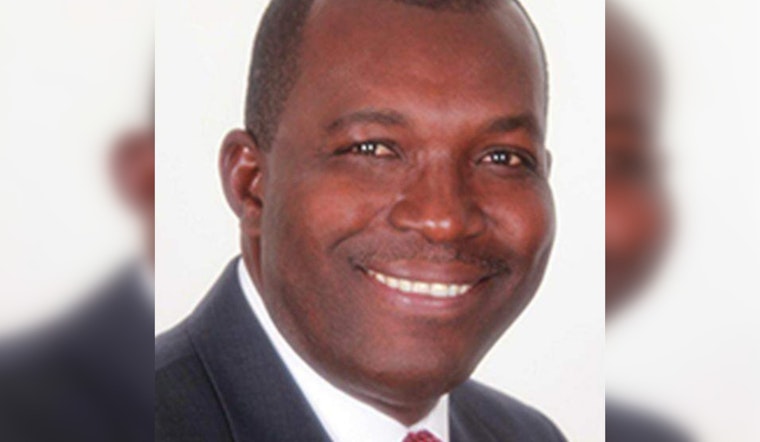
Federal prosecutors have filed a civil complaint that takes direct aim at the U.S. citizenship of former North Miami mayor Philippe Bien-Aime, accusing him of lying about who he was and how he came into the country. If a federal judge signs off, the ruling could unwind his naturalization and leave him exposed to deportation proceedings.
The U.S. Department of Justice submitted a 13-page civil complaint alleging that Bien-Aime “willfully misrepresented his identity and immigration history throughout the naturalization process,” according to NBC 6 South Florida. His attorney, Peterson St. Philippe, told the outlet that the defense team is reviewing the filing and plans to respond through formal legal channels.
What the Complaint Alleges
Court records referenced in the complaint and reviewed by NBC 6 South Florida say Department of Homeland Security documents, including fingerprint comparisons, tie the man who became a citizen as Philippe Bien-Aime to a 2000 removal order issued under the name Philippe Janvier. According to the filing, an immigration judge previously found that Janvier entered the United States through fraud using a passport with a switched photograph.
The complaint further claims that Bien-Aime was not eligible for a spousal visa because a marriage was invalid, and that prosecutors suspect both bigamy and the use of a counterfeit Haitian divorce certificate. All of that, the government argues, adds up to a naturalization built on misrepresentations that now need to be unwound in court.
Local Political Fallout
Bien-Aime, who was born in Haiti, was elected mayor of North Miami in 2019 and later mounted an unsuccessful bid for a seat on the Miami-Dade County Commission, according to Florida Politics. The federal complaint immediately raises awkward questions about his past eligibility to serve in local office.
North Miami requires candidates to certify that they are “qualified electors,” which in practice means U.S. citizens who are registered to vote at the time they qualify to run. The city’s rules and recent ordinance changes on qualifications are laid out on North Miami's election pages. If a court eventually agrees that Bien-Aime’s citizenship should never have been granted, local officials may find themselves revisiting how that squared with the city’s own requirements.
How Denaturalization Works
Denaturalization is a civil process the federal government uses when it claims someone obtained U.S. citizenship illegally or lied during the naturalization process. These cases can be filed many years after a person becomes a citizen and do not carry the same protections that apply in criminal prosecutions, something that has drawn attention from legal advocates.
Reporters and immigration attorneys have pointed to a recent federal push to increase referrals for denaturalization cases, including internal guidance that urges field offices to send more files up the chain for review, a change critics say could expand the use of a tool that has historically been rare. That trend is documented in reporting by WLRN and in coverage of national policy guidance by The Guardian.
What’s Next
The case now sits with a federal judge, and the Justice Department will have to convince the court that Bien-Aime either illegally obtained his naturalization or hid material facts that would have blocked it. These denaturalization lawsuits are typically brought by the Civil Division’s Office of Immigration Litigation, which handles similar cases across the country.
If the government prevails, the outcome can include revocation of the person’s naturalization followed by removal proceedings. The litigation steps and possible outcomes in these cases track closely with those described in prior Justice Department press releases that outline how denaturalization actions move through federal court.




