

























































After six decades under federal oversight, Dyersburg City Schools are officially out from under a court-ordered desegregation decree. A federal judge declared the district unitary last Wednesday, and a formal judgment dismissing the lawsuit with prejudice followed on Thursday, closing a case that began in 1966. Day-to-day control of the school system is now squarely back in the hands of local leaders and the school board.
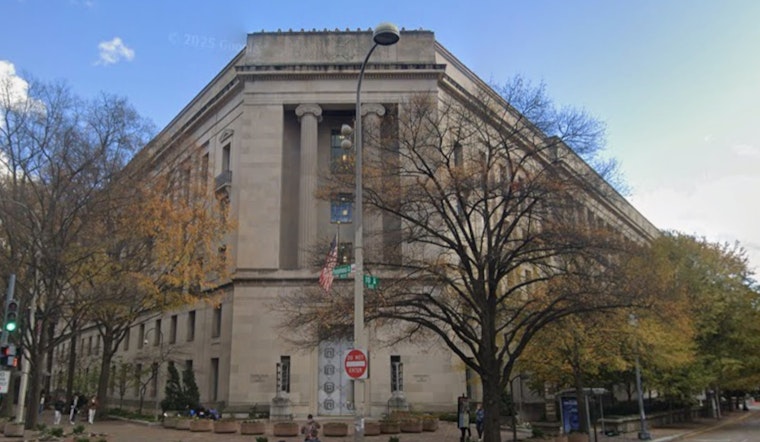
In a press release from the Civil Rights Division of the Justice Department, federal officials said they concluded after a thorough review that Dyersburg no longer operates as a segregated system and that continued monitoring is not warranted. The announcement noted that the original complaint was filed in 1966 and that the department had tracked the district's compliance for decades, describing the dismissal as the expected endpoint once a district meets its desegregation obligations.
Court filings show Chief Judge Sheryl H. Lipman granted a joint motion declaring the district unitary in an order filed last Wednesday, and a judgment dismissing the case with prejudice was entered last Thursday, according to Justia. The order reviewed district data from recent school years and reported that the district has operated with common grade-to-school assignments since 1993. For the 2024–25 school year, the filings show Black students made up about 39.88% of enrollment, White students about 41.58%, and all other students roughly 18.59%.
Assistant Attorney General Harmeet K. Dhillon summed up the federal view with the line, "Compliance means closure," while U.S. Attorney D. Michael Dunavant praised the dismissal as the result of long-standing, good-faith work by the district. Those comments appeared in the Justice Department announcement, which also urged that time and taxpayer dollars once tied up in court reporting be redirected to the schools themselves.
How the court reached its decision
To decide whether Dyersburg could finally step out from under federal supervision, the court applied the familiar legal standard for "unitary status." That test focuses on two big questions: whether the district has complied in good faith with desegregation orders, and whether it has eliminated the vestiges of past, de jure segregation as far as practicable.
In its written order, the court pointed to unified grade-to-school assignments, race-neutral faculty placements, integrated extracurricular activities, and neutral transportation planning as evidence that the district had done the work it was supposed to do. Remaining disparities, the court said, were not clearly traceable to the old constitutional violations that triggered the lawsuit in the first place. The detailed reasoning is set out in the order on Justia, which granted the joint motion for unitary status.
Local control and broader trend
With federal oversight lifted, Dyersburg will no longer have to submit periodic status reports on student assignment, staffing, extracurricular offerings and transportation. Officials have indicated that dropping those reporting requirements could free up time and money for local priorities, instead of spending staff hours preparing filings for a distant court.
Local coverage highlighted the shift back to hometown control on Local Memphis, and Dyersburg's case is not an isolated one. Across the South, courts have been shuttering long-running desegregation cases, a trend that has drawn both applause and anxiety. The Associated Press has noted similar dismissals in Louisiana, and civil-rights advocates have sometimes warned that ending court supervision can remove a key check on re-emerging racial disparities.
What to watch next
Because the judgment was entered "with prejudice," the original claims are fully resolved and cannot simply be refiled on the same grounds. Courts would only step back in if plaintiffs could show ongoing, intentional discrimination, not just the kinds of everyday disparities that show up in many districts.
On the ground in Dyersburg, that leaves parents, advocates, and local officials as the front line, watching how enrollment patterns, staffing decisions, discipline, and special-education placements evolve without a federal judge looking over their shoulder. For readers who want a quick primer on the technical meaning of a dismissal with prejudice, the Legal Information Institute at Cornell offers a straightforward overview of the term.




