

























































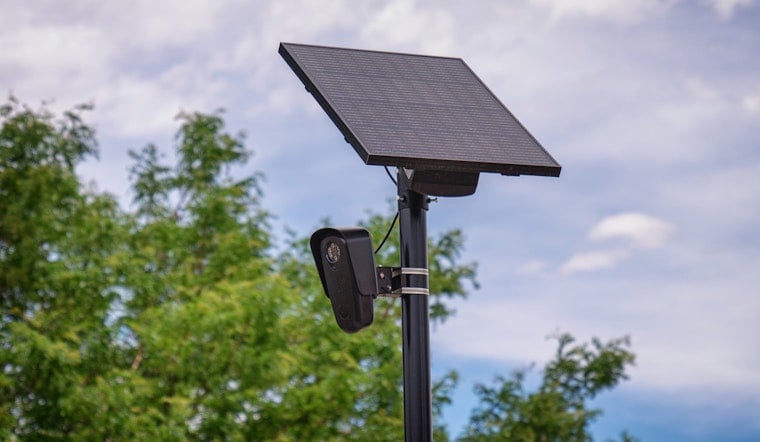
Memphis has about 200 Flock Safety cameras scanning license plates around the city, creating a powerful tool for police and a privacy headache for residents. The cameras can help locate stolen vehicles and connect cases across jurisdictions, but they also create searchable records of where cars have been. That tension is now putting Memphis’ surveillance network under a brighter spotlight.
On Wednesday, residents told FOX13 Memphis that they are uneasy about what happens to the information once it reaches the cloud. Austin Smith said the debate may be “past the point of no return” because so much data is already accessible, while Tanya Eubanks said she would rather be “safe than sorry” about stored information.
Memphis Is Paying For A Smaller Official Camera Package
A February 19 Memphis City Council item shows the Memphis Police Department renewed a contract covering 15 license-plate reader cameras and an annual subscription to Flock’s nationwide system. Memphis City Council records put the three-year cost at $153,750, paid annually with federal asset-forfeiture funds. That document appears to describe one city contract, rather than a complete accounting of every Flock camera operating across Memphis.
The Public-Safety Case Is Real
There is a reason police departments keep signing up for the technology. In May, a Flock camera in West Memphis flagged a stolen truck tied to a multistate crime spree, helping officers stop the vehicle and recover stolen guns in a case detailed in Hoodline’s West Memphis report. Those fast hits are the strongest argument for the system: a camera can turn a broad regional search into a lead officers can act on quickly.
The Privacy Fight Is About Searchable History
Flock says its automated license-plate reader system captures plate images, vehicle characteristics, timestamps and camera locations, not facial-recognition data. The company also says local agencies own and control their information, searches require a public-safety reason, every lookup is logged, and data is automatically deleted after 30 days by default, according to Flock Safety.
The concern is that 30 days can still reveal a detailed pattern of driving when records from many cameras are combined. An Action News 5 investigation found Flock training videos describing the ability to follow vehicles from location to location, while a separate Flock product was shown using artificial intelligence to follow pedestrians. In Milwaukee, a police officer was charged after allegedly conducting 179 personal searches of Flock data, according to FOX6 Milwaukee.
Memphis’ Debate Is Part Of A National Backlash
The question of who controls the data has already prompted major changes elsewhere. The Los Angeles Police Department paused its Flock relationship this month over concerns about data ownership, security and sharing with other agencies, the Los Angeles Times reported.
Last Tuesday, Tennessee Republican Rep. Tim Burchett introduced the Protection Against Mass Surveillance Act, which would prohibit federal agencies from purchasing or accessing automated systems that identify, track or record individuals. The bill is only at the introduction stage and was referred to committee, according to its official congressional record, so it does not change Memphis’ system today.
For Memphis residents, the core question is not whether Flock cameras can help solve crimes. It is whether the city can clearly show who may search the system, when data can be shared, how audits are reviewed, and what happens when an officer crosses the line. Public safety may justify the cameras, but public trust will depend on the guardrails being visible, enforceable and more than fine print.





.jpg)