

























































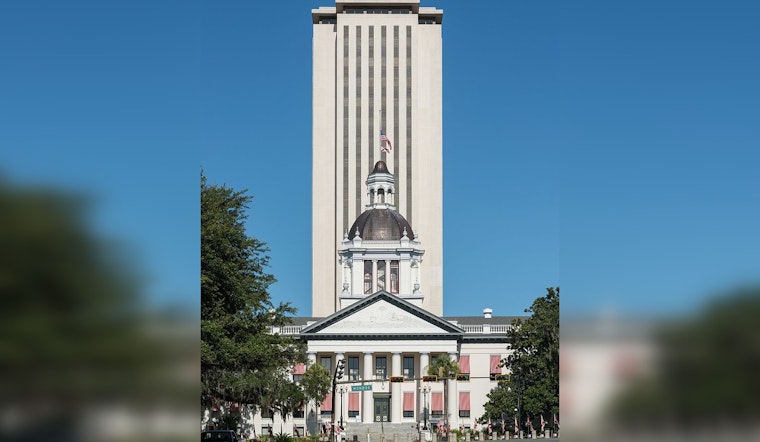
The Florida House on Thursday signed off on a sweeping constitutional amendment resolution that would erase most non-school property taxes on homesteaded homes and send the question to voters in November 2026. House Republicans are calling the move historic, while Democrats and local officials warn it could strip billions from county and city budgets and force cuts to police, fire and other basic services. The vote now sets up a likely showdown with the state Senate and the governor over whether, and how, to replace that lost revenue.
What the House Just Passed
Lawmakers approved the constitutional amendment resolution after more than a year of study and debate. The package would keep school levies intact while exempting homesteaded properties from other local ad valorem taxes, according to WFLX. House leaders say the plan effectively moves a menu of different proposals onto the 2026 ballot, giving voters a range of options for how far to go on property tax relief.
What Is on the Table
The House has advanced several joint resolutions. HJR 201 would wipe out non-school homestead taxes outright, HJR 203 would phase those taxes out over 10 years, and HJR 205 would exempt homeowners 65 and older. All of them include language meant to preserve school funding and prohibit reductions to law enforcement budgets, according to the Florida Senate.
Why House Leaders Say It Is Needed
Speaker Daniel Perez and other House Republicans framed the measures as overdue relief after years of rising property assessments. "This may well be the most aggressive legislation ever passed by a legislative chamber on property taxes in the history of the United States," Perez said. Rep. Toby Overdorf added, "The way we passed it today, it is a faucet. It immediately goes off," WFLX reported.
Backlash From Democrats and Local Officials
Democrats and municipal leaders counter that the proposals could destabilize local budgets that depend heavily on property tax revenue to fund services and infrastructure. "It is defunding the police, and it is defunding the fire department," Rep. Christine Hunschofsky said. Critics argue counties and cities would be forced to cut services, raise fees or seek state backfills to stay afloat, according to WPTV.
How Big the Budget Hit Could Be
State analysts have tried to put a price tag on the potential losses. The Revenue Estimating Conference's analysis for HJR 201 shows recurring non-school local revenue drops in the neighborhood of roughly $18.3 billion a year if the amendment is fully implemented, and the change would first affect the 2027 tax roll if voters approve it, according to the Office of Economic and Demographic Research.
What Has to Happen Next
Because these proposals would alter the state constitution, they still have to clear both legislative chambers before heading to voters, and any constitutional amendment in Florida must win at least 60 percent of the vote to pass, according to WPTV's guide to amendments. The Senate has not committed to taking up the House package, and Gov. Ron DeSantis has dismissed the multiproposal strategy as "a political game," according to the News Service of Florida via WFSU/News Service of Florida, so negotiations are widely expected in the months ahead.
For homeowners, the immediate impact depends on whether the Senate acts and how voters respond in November 2026. Even if an amendment is approved, the change would likely not appear on tax rolls until 2027. Meanwhile, local officials will be recalculating their budgets, and advocates on both sides will be gearing up for a high-stakes ballot campaign.





