

























































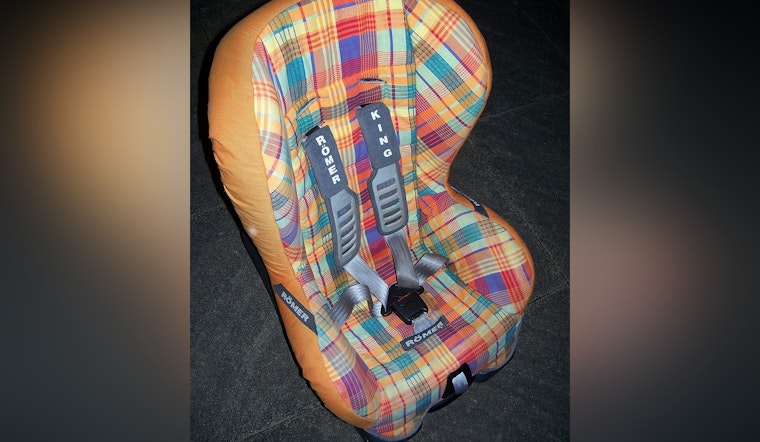
Florida lawmakers are weighing a plan that could keep many kids riding in booster seats until they blow out the candles on their eighth-birthday cake, unless they measure at least 4 feet 9 inches tall. The proposal would significantly expand the state's current child-restraint rules, which now require separate car seats only through age 3 and allow boosters for ages 4 and 5. If it passes and gets the governor's signature, the change would kick in on July 1, 2026.
What the bill would do
House Bill 233, filed by Rep. Nan Cobb, would amend Florida's child-restraint statute so that children ages 6 through 8 must ride in a booster seat. The bill includes a height carveout: kids who are at least 4 feet 9 inches tall would not be required to use a booster. It keeps narrow exceptions for medical emergencies, for children with documented medical conditions and for kids being transported for free by non-family drivers, according to the Florida Senate.
Exceptions and penalties
The proposal keeps the basic enforcement setup that is already on the books. Failing to properly restrain a child would still count as a moving violation and carry three points on the driver's license. Courts could continue to let drivers complete a state-approved child-restraint safety program instead of paying fines and taking the points. Those details are laid out in Florida's child-restraint law, Florida Statutes, which HB 233 would amend.
Safety research the bill leans on
Supporters are leaning hard on national safety research. Studies have found that booster seats improve seat belt fit and reduce the risk of injury for younger children. The American Academy of Pediatrics reported that children ages 4 to 8 who used belt-positioning booster seats were about 45 percent less likely to suffer nonfatal injuries than kids using seat belts alone.
State data has also entered the debate. The Florida Department of Highway Safety and Motor Vehicles reported that 85 children died in crashes in 2022 and said nearly half of them were not wearing restraints, according to First Coast News.
Local reaction and resources
In Northeast Florida, people who deal with child-injury prevention say the numbers line up with what they see in real life: a lot of caregivers are not sure when a child should move into or out of a booster seat, and crashes with unrestrained kids can leave deep emotional scars on families.
Jessica Winberry, a prevention coordinator with Safe Kids Northeast Florida, told First Coast News that “parents sometimes say they didn't know they should be in a booster seat.” The Safe Kids Northeast Florida coalition runs free car-seat checks and a low-cost seat program to help families get the right gear, according to Safe Kids Northeast Florida.
Cost and compliance concerns
Backers of HB 233 argue that booster seats are a relatively low-cost safety upgrade and say tougher laws typically lead to more kids being buckled in correctly. Skeptics counter that the state can pass all the rules it wants, but enforcing them in every school pickup line and neighborhood carpool is another story. They also point to the cost burden on families who might need to buy additional seats to stay legal.
As the measure moves through the Legislature, lawmakers are expected to weigh how much to lean on public-education campaigns, inspection events and donation programs alongside any changes in the statute.
Where the bill stands
HB 233 was filed on October 21, 2025, and received its first reading on January 13, 2026. It is currently parked in committee while legislators sort through which traffic-safety proposals to move forward, according to the bill's official filing. If it clears both chambers and the governor signs off, the text of the bill sets an effective date of July 1, 2026.
What parents should know now
Child-safety specialists say the real test is not the birthday, it is the belt fit. The lap belt should sit low across the upper thighs, not across the stomach, and the shoulder belt should cross the middle of the chest instead of cutting across the neck. For many children, that proper fit does not happen until they hit about 4 feet 9 inches tall.
Families looking for help can book free inspection appointments and get local guidance through Safe Kids Northeast Florida. Parents can also review Florida Highway Safety and Motor Vehicles safety resources for the state's current recommendations and rules on how kids should be restrained in cars.




