

























































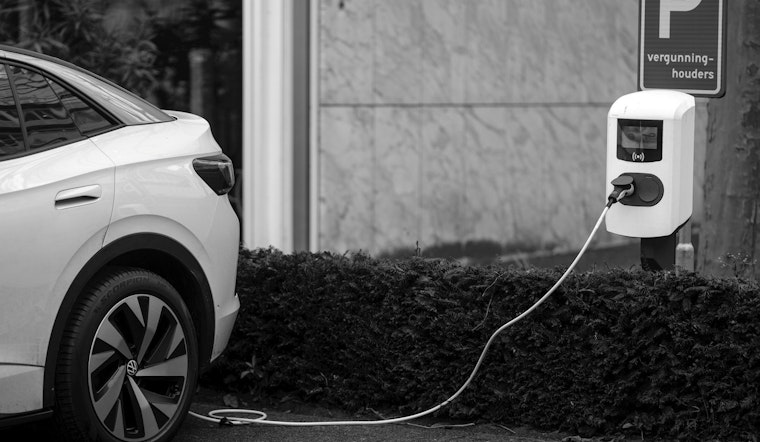
Illinois' big electric-vehicle bet has hit a rough patch since the federal tax credit disappeared, and the comedown has been fast. After a surge in registrations last fall, new EV sign-ups have dropped back to the mid-thousands in recent months, leaving dealers and factory towns scrambling to recalibrate. Many local sellers say this looks less like a mass change of heart and more like a cold splash of policy reality.
State records reviewed by Crain's Chicago Business show new EV registrations hit roughly 4,400 in October and November, then slid to about 1,468 in December and 1,776 in January. The outlet reports that Illinois had 164,151 electric vehicles registered as of Jan. 15, a reminder of how quickly momentum can swing when the subsidy rug gets pulled.
Federal Credit Ends, National Market Sags
The $7,500 federal tax credit expired on Sept. 30, 2025, taking away a major up-front discount that had pushed a lot of unsure buyers into EVs. Consumer Reports laid out the change, and S&P Global Mobility registration data, reported in industry coverage, show U.S. EV registrations slipping about 0.4% in 2025, with a sharp drop in December right after the deadline. That national swoon tracks closely with what Illinois is now seeing.
Dealers Say Demand Fell Off A Cliff
Dealers across the region told Crain's Chicago Business that demand "fell almost immediately" once the incentives vanished. One dealer, John Crane, told the paper he expects EV sales at his stores to drop roughly 70% this year. Other retailers said buyers are drifting toward cheaper hybrids and conventional gas models now that the federal deal is gone. In the short term, that has meant trimming EV orders and leaning hard on whatever manufacturer incentives are available to keep inventory from gathering dust.
Rivian Holds The Line For Factory Jobs
Illinois' biggest EV wager is on the factory floor. Rivian's assembly operation in Normal sits at the center of the state's EV strategy and employs thousands in central Illinois, according to local reporting. The company plans to build the initial R2 line in Normal, with the compact SUV expected to start near $45,000, and CEO R.J. Scaringe told investors the R2 program has an "enormous backlog" as the company stages a measured ramp. Reporting from WGLT and Car & Driver, along with the company's earnings transcript, indicates Rivian expects a cautious production build in 2026. That slower ramp could soften the immediate blow for the local economy even as dealers wrestle with weaker demand.
State Rebate Tries To Soften The Blow
State officials in Springfield are trying to keep the EV story alive with a smaller pot of money. The Illinois Electric Vehicle Rebate program offers one time payments of about $4,000 for low income applicants and $2,000 for other eligible buyers, but the help is narrow and the funding is finite. The Illinois EPA extended the application window to May 31, 2026, and the program caps the price of eligible vehicles, ties awards to income limits, and hinges everything on annual appropriations, which sit at roughly $14 million for the current fiscal year. Guidance from the Illinois EPA suggests only a slice of would be EV buyers will actually see a check.
Hybrids Step In As The Budget Option
With the federal help gone, a lot of shoppers appear to be splitting the difference and heading for hybrids and lower priced models. CarGurus' market recap found that hybrid inventory and retail sales jumped in 2025 while EV retail sales plunged in the two months after the federal credit expired, a shift dealers say they are watching play out on their lots. Data from CarGurus suggest that affordability, not ideology, is driving the current shuffle in the showroom.
For now, Illinois looks stuck in a reset phase: softer EV registrations, cautious dealers, a limited state rebate, and a high stakes R2 rollout that could either help steady factory jobs or arrive too slowly to matter for some local sellers. The next chapter will hinge on whether lower priced, higher volume models and targeted incentives come back into the picture, since those will ultimately decide whether the state's EV targets stay within reach or start to look like a stalled dream.





