

























































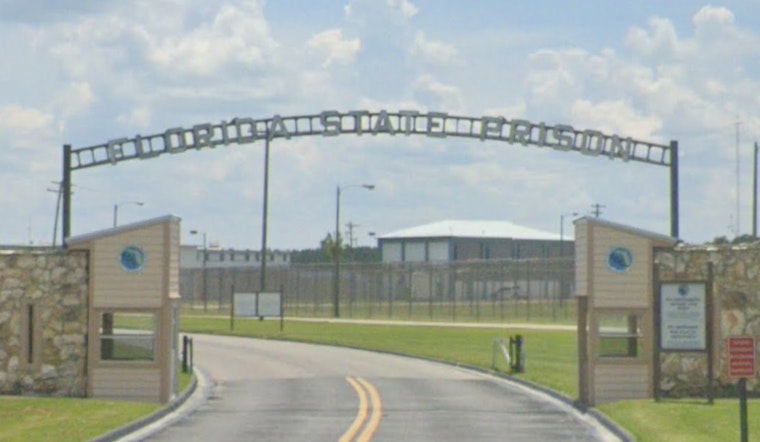
Hundreds of people in Florida who have been found too mentally ill to stand trial are sitting in county jails for months while they wait for a bed in a state psychiatric hospital, even though state law says those jail stays are supposed to be brief. Families, public defenders and jail staff say the logjam leaves some of the state’s most vulnerable people without the treatment they are legally owed and drags out already slow court cases.
As reported by WTSP, the 10 Investigates team found dozens of court commitment orders essentially parked in county jails while defendants wait weeks and even months to be admitted to state-run facilities. Their reporting details long waitlists and individual cases where county officials say jail units are trying to step into a mental health role they are not built or staffed to fill.
What the law requires
On paper, Florida law is blunt about how long jails can serve as a stopgap. The statute says “a jail may be used as an emergency facility for up to 15 days,” after which the state is supposed to move the person to a treatment hospital. That requirement appears in Florida Statutes, Chapter 916, which lays out the 15-day timeline for forensic commitments and spells out the state’s responsibilities to people found incompetent to proceed in criminal court.
Backlog in numbers
In court filings described by Florida Politics, the Department of Children and Families acknowledged that hundreds of defendants are waiting well past the 15-day cutoff. According to that reporting, DCF figures show roughly 772 people stuck beyond the statutory window, with average admission waits stretching past 100 days in some instances.
State response and new laws
Lawmakers have tried to get in front of the crisis with new legislation. Gov. Ron DeSantis signed the Tristin Murphy Act in June 2025, a measure meant to expand diversion programs and screening for defendants with serious mental illness, CBS Miami reported. Supporters say the idea is to identify people earlier and keep some of them out of the forensic pipeline altogether.
The Legislature also added new reporting rules and budget language aimed at shining more light on the problem. Senate bill text filed for 2026 requires DCF to start publishing monthly forensic and civil waitlist numbers along with average admission wait times beginning Aug. 1, 2026. The move is intended to create a public paper trail of delays and the pressure facing state hospitals. Those provisions appear in Bill S2500, which includes both the reporting requirements and related funding directions.
Legal risk and national trend
Florida is not alone in blowing past statutory transfer deadlines. Judges in Maryland have fined state officials for repeatedly missing mandated timeframes to move mentally ill defendants into treatment, and other states have been dragged into lawsuits and court monitoring as forensic waitlists balloon, according to the Associated Press. Those cases show courts can respond with fines or injunctive oversight when deadlines are missed, a legal exposure Florida also faces if its waits continue.
What advocates want
Advocates and public defenders argue the fix is not mysterious. They say the state needs more hospital beds, more staff and stronger in-jail treatment options so people do not deteriorate while they wait for placement. DCF told a court it was not “willfully non-compliant” with the 15-day limit, but said beds simply were not available, according to Florida Politics, a position that could prompt judges to consider contempt findings or other enforcement steps if the backlog does not ease.
For now, judges, county jails and families are living with a sharp legal deadline on paper and a system that, by the state’s own admission, does not yet have enough beds to honor it. The new reporting rules and recent laws may give advocates more data to push for change, but county officials warn that unless real capacity is added, Florida’s 15-day promise will keep looking more like legal fiction than lived reality for many defendants with serious mental illness.



