

























































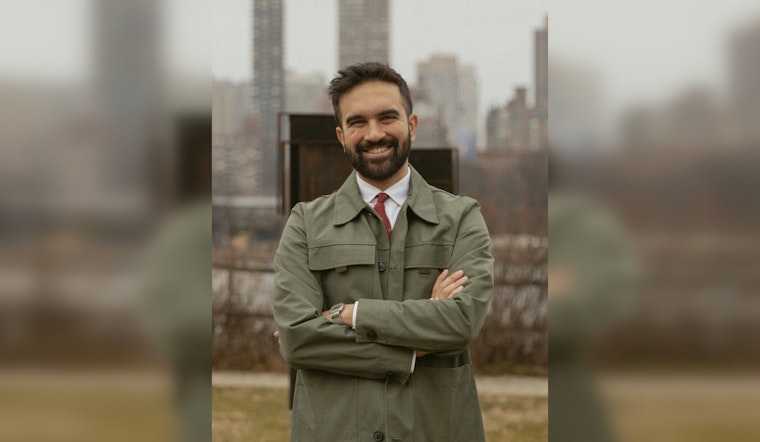
Recent shootings involving individuals experiencing mental health crises have brought attention to New York City’s emergency response practices. Zohran Mamdani is facing scrutiny and is tasked with reforming how such incidents are handled. After the police shooting of 22-year-old Jabez Chakraborty, who had been diagnosed with schizophrenia, Mamdani pledged to accelerate the creation of a Department of Community Safety to route crisis situations to mental health professionals rather than law enforcement.
Advocates and experts note systemic issues in emergency response, including gaps in how calls are initially handled. Insufficient data collection by dispatchers and call categorizations can result in police being sent automatically, even when callers request alternative responses. For example, calls from the families of Jabez Chakraborty and Chaz Fray were reportedly misclassified, triggering armed police responses, according to Gothamist. Former Laura Kavanaugh emphasized that focusing solely on the later stages of the system overlooks opportunities to intervene earlier in the emergency response process.
Central to Zohran Mamdani’s reform is the expansion of the Behavioral Health Emergency Assistance Response Division (B-HEARD), which sends clinicians to non-violent mental health calls instead of police. However, an analysis by THE CITY found that most calls in B-HEARD precincts still have police, rather than clinicians, as the initial responders.
Despite plans to expand the program citywide, police remain the first responders in most cases, with THE CITY reporting an 86% police response rate. The role of 911 dispatchers in determining responses based on potential threats adds complexity. Liz Glazer has emphasized the goal of creating a system coordinated from the initial emergency call through access to housing and services.
Following these incidents, the city is considering changes to how mental health emergencies are handled. Reforms would involve not only personnel at the point of crisis but also a broader review of the entire emergency response process. This includes dispatcher protocols, resource deployment, and each step of the response chain to ensure appropriate care for individuals in crisis.





