

























































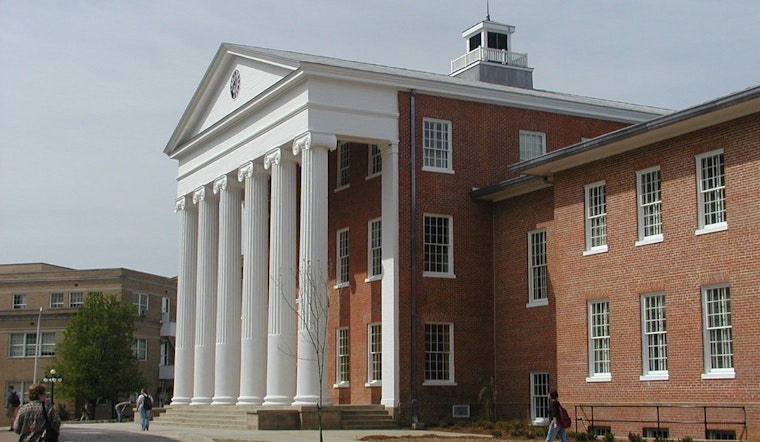
A federal court in Oxford spent this week digging into the fallout from a viral Instagram post, as former University of Mississippi staffer Lauren Stokes pressed her wrongful-termination case against the school. Stokes, who was fired last September after resharing a post about the killing of conservative commentator Charlie Kirk, says the university trampled her First Amendment rights. After calling seven witnesses, her attorneys rested and asked the judge to force Chancellor Glenn Boyce to take the stand, setting up a direct clash between free-speech claims and the university’s argument that the post disrupted campus operations.
What Happened in Court
According to Action News 5, Stokes' legal team wrapped its case after calling seven witnesses, including Stokes, Ole Miss faculty, staff, and students, then moved to compel Boyce to testify on February 20. The outlet also reported that Boyce did not attend the motion hearing and that his attorneys called no witnesses of their own.
How the Controversy Started
The dispute traces back to a reshared Instagram post last September that the university labeled “hurtful, insensitive,” and Boyce announced Stokes' firing the day after the post, according to Mississippi Today. Stokes responded with a federal wrongful-termination lawsuit, arguing the university violated her First Amendment rights, and she is seeking reinstatement and damages. WAPT reports the lawsuit also describes fallout that included threats, which briefly closed the couple's restaurant and led to canceled business relationships.
What's at Stake Legally
The case turns on the Pickering-Connick balancing test that courts use in public-employee speech disputes. Judges first ask whether the employee’s speech addressed a matter of public concern, then weigh the worker’s free-speech interests against the government employer’s interest in keeping operations running smoothly. Legal overviews note that the judge will consider whether Stokes was speaking as a private citizen and whether her post caused any material disruption to how the university functions. For background, see Congress.gov and the campus-speech database maintained by Duke Law.
Next Steps
Boyce has asked the court to throw out the case entirely, arguing the Instagram post caused actual disruption to university operations, a position previously reported by Action News 5. Stokes' attorneys, meanwhile, want him compelled to testify on Feb. 20. The judge now must decide whether to order Boyce’s appearance and whether his motion to dismiss will stand. Lawyers watching the case say that whatever the ruling, it could help define how far campuses can go in disciplining staff over what they post on personal social media.





