

























































Less than a day and a half after Plainfield rolled out its new pre-hospital blood transfusion program, local paramedics were already putting it to the test. According to town officials, crews used the freshly stocked whole blood supply on a trauma patient in the field, aiming to steady dangerous blood loss before the ambulance ever left the scene. Town leaders say the rapid deployment is an early sign that the investment can change outcomes when every minute is up for grabs.
Town Shares Quick Update
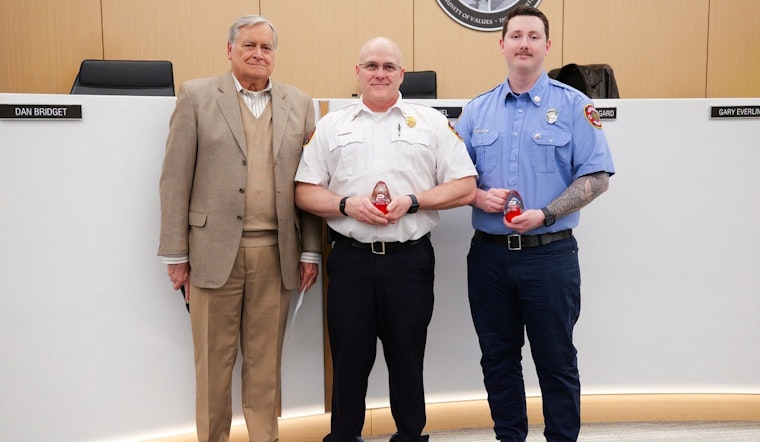
In a post from the Town of Plainfield - Government, officials credited EMS Division Chief Ted Allen and Officer Will England with designing the protocols for the new program, securing grant dollars and overseeing the training that allowed paramedics to start transfusing blood in the field. The town also noted they obtained the specialized gear needed to carry and monitor whole blood, and recognized Allen and England with the February “Community of Values” staff award for their work.
What Officials Are Saying
Local reporting says the first real-world use of the program happened after a crash on Interstate 70. EMS Division Chief Ted Allen emphasized just how unforgiving that kind of call can be, saying, "In blood loss, time is critical." Daily Dispatch also reported that the rollout makes Plainfield one of only a small number of Indiana services that can transfuse blood before hospital arrival, noting that the Midwest Blood Coalition lists the town as the 12th agency in the state with that capability.
Funding and Logistics
According to the town's news release, the program is backed by an $11,966 grant from the Hendricks County Community Foundation and the Anderson Family Fund. The EMS Duty Officer now carries hospital-grade whole blood that is stored and transported with dedicated refrigeration and monitoring equipment. Plainfield officials say paramedics have been trained to spot patients who qualify for field transfusion, administer the blood safely under protocol and coordinate a smooth handoff with receiving hospitals once the patient arrives.
A Growing But Limited Capability
Programs that put whole blood on ambulances are still relatively rare, yet they are gradually spreading as hospitals and EMS systems test what happens when transfusion is brought closer to the point of injury. Recent launches in Connecticut and within a small Illinois system show similar efforts to stock ambulances with whole blood and train crews to use it. Advocates say this approach can cut the time to life-saving care, and EMS1 and WGLT outline how similar models are being adopted elsewhere.
Why This Matters Locally
The town publicly praised Allen and England for building out the program, saying their work has "strengthened Plainfield's emergency response capabilities." Both the Facebook update and the municipal news release presented the quick, successful early use as a sign that the community's investment has the potential to improve survival in severe hemorrhage cases. Plainfield officials say they are coordinating with area hospitals to track outcomes as more patients receive field transfusions under the new system.


