

























































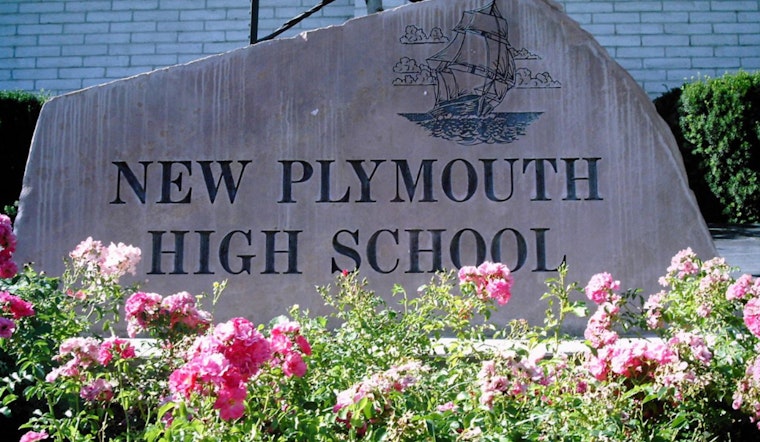
The free lunch era at Plymouth Community School Corporation is on the clock. Starting with the 2026–27 school year, the district will scrap its universal free school meals and head back to the familiar three-tier system of paid, reduced-price and free breakfasts and lunches.
New prices are already posted: student lunch will cost $3.50, paid breakfast $2.50, reduced lunch $0.40 and reduced breakfast $0.30. Families who think they qualify for free or reduced-price meals will be able to apply after July 1. The change will bring an end to two years of districtwide free meals that were offered under the federal Community Eligibility Provision, a program that allowed every student to eat at no charge.
District leaders say the decision is all about the bottom line. In a message to families, school officials said "the reimbursement...is not enough to cover the increased cost of food," according to WNDU. The memo walks families through the new prices and explains that Plymouth will revert to the National School Lunch Program’s paid, reduced and free structure for 2026–27, while urging households that may qualify for help to submit income applications.
For some parents, the news landed like a bill they were not expecting. Several told reporters the reversal will squeeze already tight household budgets. "I think it's ridiculous," parent Jill Thompson said, telling WNDU she believes the district should keep meals free. Other residents told ABC57 that feeding children should be a top priority for the community. The announcements have kicked off a debate in school hallways and online over how to balance cafeteria budgets with family needs.
Background and statewide context
According to district communications, Plymouth qualified for the Community Eligibility Provision and began serving free meals to all students in 2024. The Plymouth Community School Corporation serves roughly 3,275 students, based on information from the district’s website.
The local fight is part of a bigger story. School nutrition leaders around the country say federal and state reimbursements have not kept up with rising food and labor costs, which has led to growing piles of unpaid meal debt in many districts, as reported by Education Week and outlined in resources from No Kid Hungry Indiana. Plymouth officials say that without higher reimbursements, the universal free model is simply not sustainable.
What families need to know
Families who believe they qualify for free or reduced-price meals will be able to submit an income application any time after July 1 through the state portal, according to ABC57. The district also accepts direct certifications from SNAP, Medicaid, TANF and foster status as proof of eligibility for meal benefits. Parents with questions are being asked to contact their child’s school or the food services office if they need help sorting out the paperwork.
Local help and summer meals
Local nonprofits and school-based programs may help cushion the blow for families staring down higher lunch bills. The United Way of Marshall County lists partner organizations and donation avenues that support PCSC families. Plymouth schools also participate in USDA summer feeding programs that provide free meals to children 18 and under, as reported by GIANT fm. Families in need are encouraged to reach out to school social workers or the United Way for immediate assistance.
District leaders say they are proud to have offered universal free meals while they could, but they are framing the rollback as a financial necessity. Some parents, meanwhile, want the school board to take another look before the change kicks in. As Plymouth prepares to shift back to paid and reduced-price meals in 2026–27, school officials and community groups will be under pressure to make sure students who need help can still get it.


