

























































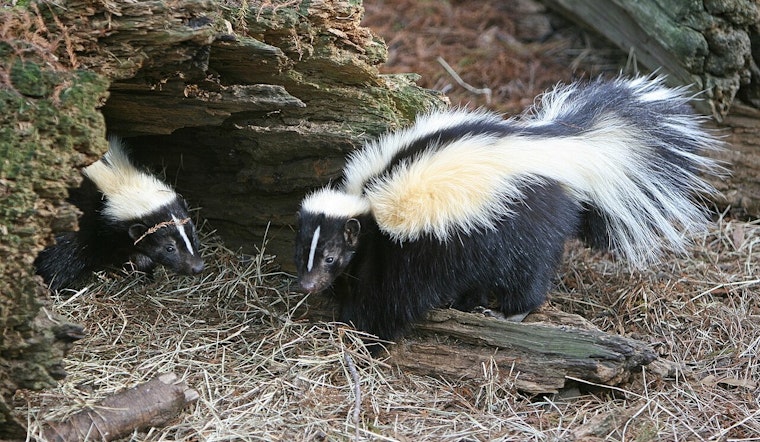
A skunk found in Buda has tested positive for rabies, according to city police, and officials are urging residents to take it seriously. The animal was captured, sent for laboratory testing, and confirmed positive, prompting an alert to the community. Authorities are warning people to stay away from wild animals and to keep pets from roaming near wildlife.
In a post on Buda Police Department, officers confirmed the positive rabies result and advised anyone who thinks they or their pets may have had contact with the skunk to reach out to animal control. The department also reminded pet owners to double-check that their animals are current on rabies vaccinations and to report any odd or aggressive behavior in wildlife.
Health Officials Outline Risks And Next Steps
Hays County's public‑health page notes that skunks, bats, raccoons and foxes are among the most common carriers of rabies in the region and urges anyone who is bitten or scratched to seek medical advice right away and contact local animal control. According to the Texas Department of State Health Services, skunks are considered a higher‑risk species and should be tested for rabies whenever they may have had contact with people or pets. Hays County's guidance also lays out local contacts for reporting suspicious animals along with steps for protecting household pets.
How To Protect Pets And People
The Centers for Disease Control and Prevention recommends thoroughly washing any bite or scratch with soap and water and then contacting a healthcare provider to discuss rabies post‑exposure prophylaxis, which is effective if started before symptoms appear. Local reporting has flagged an uptick in wildlife rabies in Hays County this season, according to Spectrum News Austin. Officials say the best defense is to keep pets vaccinated and avoid any direct contact with wild animals.
If you suspect a person or pet may have been exposed, wash the affected area, call your doctor or local public health officials, and contact City of Buda Animal Control at 512‑312‑0084 for guidance or to report the animal. The Hays County page and the Texas DSHS site provide details on quarantines, testing procedures and vaccination requirements for pets.





