

























































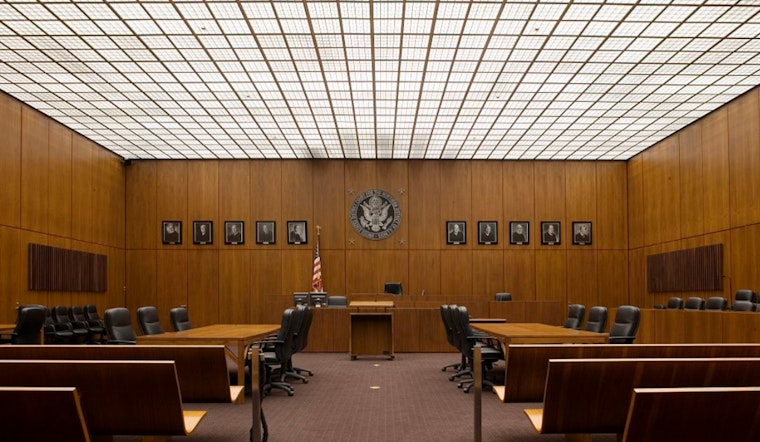
A retired Chicago Police detective repeatedly refused to answer questions Thursday, invoking his Fifth Amendment rights more than 80 times as he testified remotely from San Antonio in a federal civil trial. The case was brought by a man who says he was framed in a 1989 Humboldt Park killing, and it has pulled decades-old allegations of coerced confessions and planted evidence back into a Chicago courtroom. Jurors are now weighing those claims against a backdrop of multiple exonerations tied to the detective's past investigations.
Court filings say plaintiff Jaime Rios was convicted after a 1990 trial for the June 27, 1989, killing of Luis Morales. He served roughly 17 years in prison, was paroled in 2007, and ultimately received a certificate of innocence in 2022, according to court records. A memorandum posted on Justia outlines the path to the current wrongful-conviction lawsuit, which alleges that detectives coerced Rios into a confession and manufactured identifications used at trial.
As reported by the Chicago Tribune, former detective Reynaldo Guevara, who retired in 2005 and is now in his eighties, invoked the Fifth Amendment more than 80 times while testifying by video. U.S. District Judge Jeremy C. Daniel instructed jurors that they may, but are not required to, assume Guevara's answers would have been unfavorable to him. His blanket refusal to respond tracks with earlier civil cases brought by exonerees, where he has also leaned heavily on the privilege.
What Rios alleges
Rios's lawsuit accuses Guevara and two other detectives of beating witnesses, coaching identifications, and suppressing evidence that could have helped the defense, conduct that, his lawyers argue, tainted the 1990 conviction from the start. The National Registry of Exonerations and the court record describe recantations and affidavits that claim physical coercion, including allegations that witnesses were struck with a phone book and a flashlight and that Rios was slammed into a table during interrogation. Those recantations later played a role in the vacating of his conviction and his certificate of innocence.
City payouts and past verdicts
The Rios case is one of dozens linked to Guevara's work that have already cost Chicago taxpayers tens of millions of dollars in settlements and jury verdicts. Local reporting and city reviews put the broader tab for lawsuits naming Guevara in the low hundreds of millions, with juries returning seven and eight figure awards, including a roughly $17.5 million verdict for Jacques Rivera. Coverage by WTTW has tracked those mounting costs and noted that Guevara collects a city pension of about $91,000 a year. The Chicago Sun-Times has detailed several of the largest payouts tied to alleged misconduct in his cases.
Why the Fifth matters in civil court
The sight of a key witness repeatedly pleading the Fifth lands differently in civil court than in a criminal trial. In civil cases, jurors are sometimes allowed to draw what is called a permissive adverse inference from a witness's silence. The Supreme Court's decision in Baxter v. Palmigiano, as archived by FindLaw, and later federal rulings explain that a jury may consider a refusal to answer as one piece of the puzzle, so long as there is other meaningful evidence in the record. Judge Daniel's instructions in Rios's trial reflect that balance between protecting constitutional rights and letting jurors weigh what it means when a former detective declines to answer basic questions.
The trial now moves forward with jurors sorting through disputed testimony, decades of paperwork and a series of witness recantations that stretch back more than thirty years. If they decide Rios is entitled to damages, any award will add to the long list of payouts and settlements tied to alleged misconduct in Guevara-related cases. For more detail on the filings in Rios's suit, the court memorandum and docket entries in the Northern District of Illinois are available through Justia.


