

























































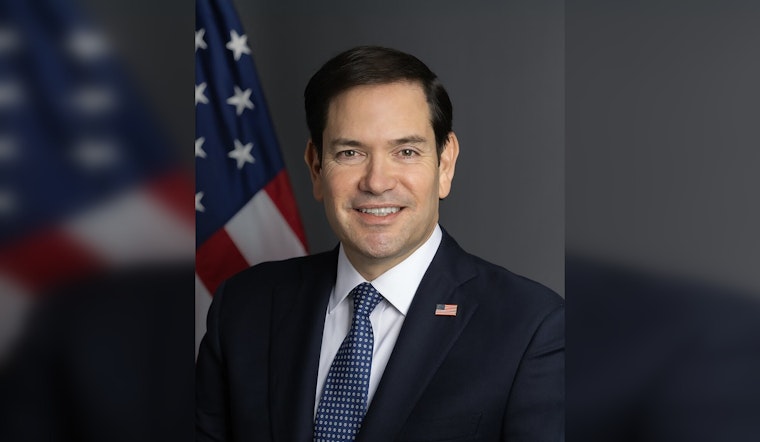
Secretary of State Marco Rubio is squeezing a lot into a single day in St. Kitts and Nevis on Wednesday, joining a summit of Caribbean Community leaders with a U.S. pitch centered on security and economic partnership. The lightning visit comes as Washington works to steady relationships in the hemisphere after the dramatic U.S. operation in Venezuela earlier this year.
What Rubio Will Press
The State Department says Rubio plans to press CARICOM leaders on measures to bolster regional security, stability, trade and economic growth, and he is set for both group sessions and one-on-one meetings. The department is casting the trip as a move to reaffirm the United States’ commitment to the hemisphere, according to AP.
Timing: Fallout From Venezuela Operation
Rubio’s timing is closely tied to January’s high-profile U.S. intervention in Venezuela, which toppled President Nicolás Maduro and sent shock waves across the region. The nighttime operation and Maduro’s capture triggered emergency diplomacy and sharp criticism from Beijing, Moscow and regional capitals, according to The Guardian.
Maduro’s Legal Fight
Maduro and his wife were transported to New York, where they pleaded not guilty in a Manhattan federal court to narco‑terrorism and drug‑trafficking charges, with prosecutors setting further proceedings for March 17, according to AP. The arraignment has made it harder for Washington to sell the Venezuela operation purely as a law-enforcement action rather than a military occupation.
Donroe Doctrine And The Wider Tug-of-War
The visit also lands as the Trump administration tries to juggle a renewed focus on Iran with efforts to maintain U.S. influence in the Americas. President Trump and some aides have described the tougher Western Hemisphere posture as a modern Monroe Doctrine, sometimes nicknamed the “Donroe Doctrine,” even as Washington shifts significant forces toward the Middle East, according to The Washington Post.
What To Watch At CARICOM
For CARICOM leaders already worried about migration, drug trafficking and economic fallout, Rubio’s stopover is a test of whether U.S. pressure will translate into concrete cooperation instead of added turbulence in the region. Local officials and diplomats will be watching closely for offers of investment, security assistance and clearer plans for maritime interdiction, according to coverage by Boston 25 News.





