

























































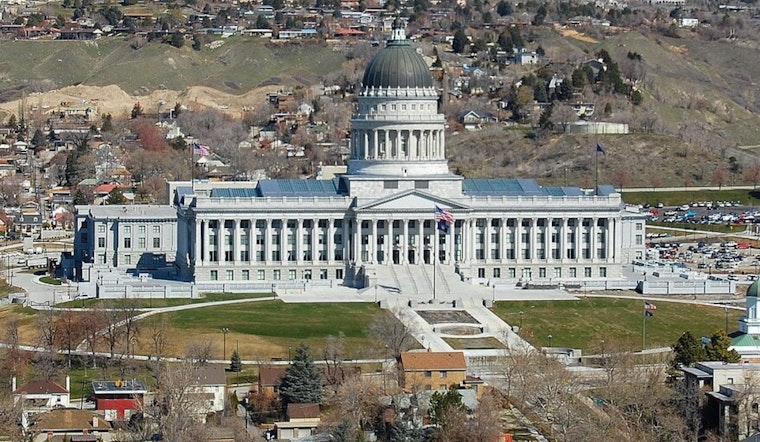
Utah lawmakers are debating S.B. 124, a bill that would let child-welfare caseworkers and police ask a juvenile court for a new type of "investigative warrant" to lay eyes on a child inside a home. Supporters say it could speed up safety checks in cases where kids are kept out of sight and caregivers refuse access. Critics say it edges too close to intrusive state power, especially as fresh scrutiny lands on the very agency that would help carry it out.
What supporters say
Sen. Luz Escamilla, who is running the bill, told KUER the warrant is aimed at those hard-to-crack cases where investigators have tried multiple welfare checks and keep getting turned away. She stressed that the tool is not meant to be a fast track to pull children out of their homes. "It is not for removal," Escamilla said, framing the proposal as a way to get a judge and caseworkers enough information to decide what should happen next. Backers say routing the request through a court would add judicial oversight and cut down on the time-consuming legwork sometimes needed to secure a traditional search warrant.
Audit finds gaps at DCFS
Fueling the debate is a performance audit released this month by the Office of the Legislative Auditor General that flagged systemic problems inside the Division of Child and Family Services. Auditors found thousands of missed deadlines for required face-to-face visits, weak supervisory oversight, and cases that sat for long stretches without the extensions policy requires. The report calls for clearer performance benchmarks, better data tools for managers, and stronger accountability measures so children in danger are less likely to slip through the cracks, according to the Office of the Legislative Auditor General.
Opponents warn of overreach
At a Jan. 30 Senate Judiciary Committee hearing, parents and conservative groups urged lawmakers to slow down on giving DCFS a new investigative tool before fixing the problems highlighted in the audit. Teena Horlacher recounted how her family ended up in a DCFS investigation after a hospital visit and told senators that the legal fallout cost her daughter nearly $100,000. Opponents pointed to her story as a cautionary tale about burdensome, expensive probes that can spiral, according to KUER. A string of commenters echoed concerns about parental rights, due process, and putting more authority in the hands of an agency currently under fire.
How an investigative warrant would work
Under S.B. 124, a juvenile court could issue an investigative warrant that authorizes a peace officer or child-welfare caseworker to "see" a child and perform a welfare check when sworn testimony or an affidavit indicates the child's health, safety, or general welfare may be at risk. The bill text spells out procedures for requesting and serving the warrant and repeatedly frames it as a limited fact-finding tool instead of a green light for immediate removal, according to the Utah Legislature. Sponsors say the goal is a narrow, court-supervised option for breaking through blocked welfare checks more quickly.
High-profile cases and the data that drive the debate
Recent tragedies are never far from the conversation. Utah's CAPTA statement on the July 2024 death of 12-year-old Gavin Peterson describes years of reports and missed opportunities that preceded his death, a case lawmakers frequently cite in floor and committee debate, according to Utah DHHS. Federal child-welfare data report that 53 Utah children died from abuse between 2019 and 2023, a grim statistic supporters point to when arguing that courts need a quicker way to reach hidden children through an investigative warrant, as detailed in the federal "Child Maltreatment 2023" report. Those numbers help explain why some lawmakers want a judicial safety valve when standard welfare checks keep getting shut down.
After its first airing in committee, senators voted to send S.B. 124 to the full Senate with a favorable recommendation. Lawmakers will now debate possible amendments and whether this new juvenile-court tool should move forward alongside the audit's push for stronger DCFS oversight. The fight over the bill sits squarely where some of the state's toughest questions collide: how to protect children, how far the government should go, and what happens when the usual systems for checking on kids stop working.





