

























































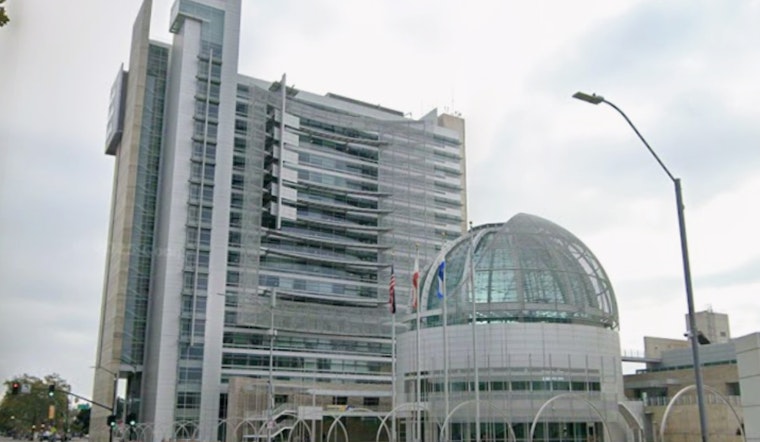
After months of back-and-forth at City Hall, San Jose’s City Council has signed off on a major rules reset for the city’s two card rooms, voting unanimously on Tuesday to loosen several local regulations while keeping oversight in place. The package of five ordinance changes is pitched as a way to cut outdated red tape that supporters say has not kept pace with how the gaming industry actually operates.
The unanimous vote came with Mayor Matt Mahan absent, according to San José Spotlight. Kirill Yermanov, gaming administrator with the San Jose Police Department’s Division of Gaming Control, told the outlet that the division of gaming control will continue to ensure the integrity of gaming operations and safeguard public welfare, a nod to concerns that lightening the rules might weaken oversight.
What changed
The new ordinance package makes a handful of specific adjustments that card room operators have been pushing for:
- It removes the cap on how many tournaments local card rooms can run each year.
- It doubles the maximum number of betting "squares" allowed on tables, from 10 to 20.
- It gives operators more time to report suspected illegal activity.
- It repeals a 20-hour continuous-presence limit that was meant to keep patrons from hanging around for extremely long stretches.
- It lets card rooms offer complimentary or discounted food and nonalcoholic drinks to patrons.
Those specific changes were detailed in coverage republished by SFGATE.
Earlier steps and the fiscal case
This week’s move follows an August decision in which the council cut annual regulatory fees for Bay 101 and Casino M8trix from $1,000,000 to $857,000 each and eliminated two civilian jobs in the Police Department’s Division of Gaming Control. Backers said those adjustments would be revenue neutral for the city.
City officials have argued that trimming overlapping local rules helps avoid duplication with state enforcement and gives the two card rooms more stability in a heavily regulated business. That earlier action was reported by San José Spotlight.
Who pushed for the changes
Councilmembers Bien Doan, Pamela Campos and George Casey laid down the political groundwork in a June memo that called for a reform package aimed at keeping San Jose "pro-business" while still funding city services. That memo helped frame the broader push to ease some local rules, according to SFGATE.
The same coverage notes that public records show lobbyists for Casino M8trix met with multiple councilmembers and police officials as the package was hammered out, and that the San Jose Police Department conducted extra outreach with one of the card rooms after early draft proposals surfaced.
Legal implications
The latest rollback sits on top of a longer-running legal saga. In 2020, San Jose voters passed Measure H, which raised taxes on the card rooms and cleared the way for more tables. State regulators and the courts later blocked operators from actually adding those tables, finding that parts of the ballot language did not comply with state requirements.
Appellate rulings and related public records lay out why both the city and the card rooms have been chasing clearer rules and some breathing room at the local level. The Sutter’s Place appellate decision, which digs into those state-level disputes and how they ripple into city policy, is available on Justia.
What’s next
The council had already hit pause on these reforms twice before finally bringing the package to a vote this week, as staff worked with police and operators to tweak the language. Officials say there are still additional proposals under review.
Local reporting indicates that more back-and-forth with card room operators could lead to further adjustments in the coming months, with the city watching closely to see how the new rules affect public safety, enforcement and gaming tax revenue.



