

























































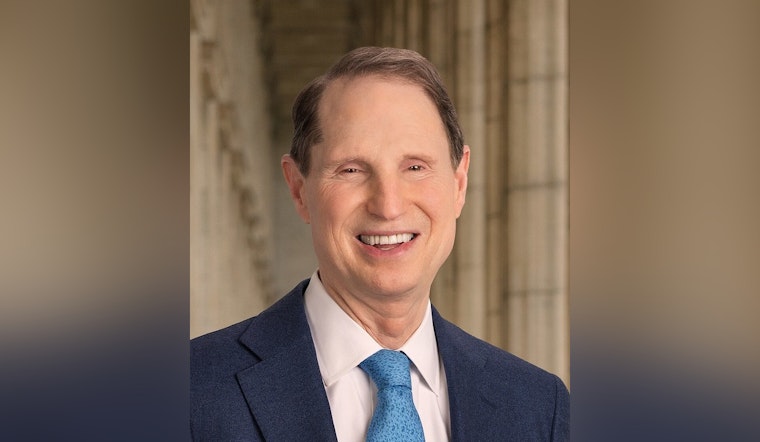
In a recent push against what's seen as an encroachment upon personal liberty, Senators Ron Wyden and Edward J. Markey have taken a stand against a proposed rule by the U.S. Customs and Border Patrol (CBP), which would mandate that visitors to the U.S. provide a detailed log of their social media activity from the past five years. This demand, aiming at those eligible for visa-free travel, has spurred concern among lawmakers and privacy advocates about the possible overstep of government surveillance and its implications for both visitors and U.S. citizens alike.
The proposition, seen by Wyden and Markey as a “sweeping invasion of privacy and represent an unacceptable expansion of government data collection and monitoring”, was met with swift rebuke. In their correspondence to CBP Commissioner Rodney S. Scott, the senators asserted, “By requiring travelers to disclose their personal social media information, CBP will force people who simply want to visit family in the United States, conduct business with U.S. companies, or attend events such as the upcoming World Cup to submit to sweeping digital surveillance.” Their concerns echo a broader unease that has been brewing as the Trump administration’s policies continue to focus on foreign individuals' speech and political affiliations, according to Senator Wyden's press release.
This proposed policy does not solely impact foreign visitors but also risks infringing on the privacy of U.S. citizens. As Wyden and Markey noted to Commissioner Scott, Americans frequently interact with foreigners on platforms like Facebook, Twitter, and Instagram. These interactions could inadvertently become part of CBP's analysis. “The collection of visitors’ social media information will inevitably sweep up sensitive information about American citizens as well, undermining their privacy,” the senators wrote. They further warned that this could lead to an environment where individuals self-censor online to avoid being caught in the CBP's expansive net.
Concerns were also raised previously in June when Wyden and Markey reached out to Secretary of State Marco Rubio and Secretary of Homeland Security Kristi Noem over the use of artificial intelligence and social media monitoring by the government to ascertain potential national security threats. Secretary Noem's response, which did not commit to reversing the expansion of social media screening of visa applicants nor provide clear effectiveness data, has done little to allay fears of a creeping surveillance state, according to the same press release.
The contentious relationship between social media privacy and government surveillance continues to be hotly debated, with this recent development adding fuel to the fire. It underscores the delicate balance between protecting national security and upholding the privacy rights that are fundamental to American values, a discussion that is surely only just beginning in the face of advancing technology and its applications in matters of state and security.





.jpeg)