

























































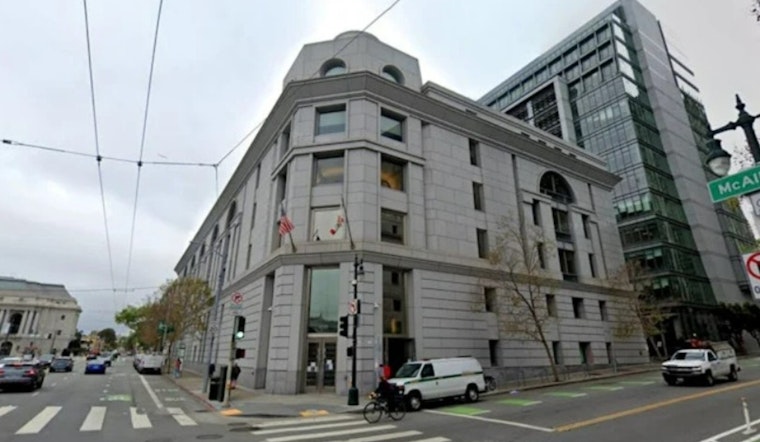
Seven immigrants who say they were held in harsh, medically neglectful conditions at CoreCivic’s California City detention site had their day in federal court in San Francisco today, as U.S. District Judge Maxine Chesney heard dueling motions over emergency medical relief and class certification. The plaintiffs told the court they need swift orders to force improvements at the Mojave Desert complex.
The complaint, filed in November by seven men with backing from the Prison Law Office, Keker Van Nest & Peters, and the ACLU, alleges that ICE and the facility operator denied timely specialty medical care, meaningful access to attorneys, and basic hygiene. Those alleged failures violate the Constitution and the Rehabilitation Act, according to the ACLU. The plaintiffs want the court to certify a class covering everyone held at the center and to order immediate medical and operational fixes.
State inspections and reporting by the San Francisco Chronicle have portrayed the CoreCivic-run site as hastily reopened and poorly prepared for the influx of detainees. The complex has a 2,560-bed capacity, and inspectors and attorneys documented clogged drains, unsanitary conditions, limited medical staffing and long stretches of cell confinement for many people held there. The SF Chronicle also reported that California officials inspected the facility after complaints about staffing and medical care.
Plaintiffs’ lawyers pointed to what they describe as a broader pattern of trouble at ICE facilities nationwide as they pressed their emergency requests. The case lands amid national concern over a spike in in-custody deaths last year and additional deaths this year, facts highlighted in reporting that plaintiffs say underscore the need for court intervention. KQED noted that courts have already stepped in at times to speed medical care for people with serious conditions.
What plaintiffs are asking
Lawyers for the detained men are seeking an order that would require ICE to provide prompt appointments with medical specialists, enforce disability accommodations and halt practices they say are punitive, including near-constant wall-facing lockdowns and tight restrictions on contact visits. “They’re being treated worse than the highest-security criminals,” said Cody Harris, an attorney for the detainees, as reported by KQED. The motion package asks Judge Chesney to certify a class so that any court order would apply to everyone currently held at the facility.
DHS response and the venue fight
The federal government has asked to move the case to the Eastern District of California, arguing that the detention center is in Kern County and that the witnesses and operations connected to the case are closer to that court. The litigation timeline and filings are summarized by the Prison Law Office, which notes that ICE filed its transfer motion in early January and that both sides briefed the issue ahead of Friday’s hearing.
At the same time, the Department of Homeland Security and ICE have pushed back on the lawsuit’s description of conditions, saying detainees receive meals, phone access and medical care. The AP reported DHS denials and statements that the facility complies with ICE standards. Department officials have also publicly said officers are facing a dramatic increase in threats, a figure widely reported as an “8,000%” jump, although news outlets and fact-checkers have noted that the agency has not released underlying data to fully back up the percentage. See reporting from AXIOS and analysis by Factually.
Related suits pile on pressure
The California City case arrives as detainees at other ICE facilities file similar lawsuits. Last week, a coalition of immigrant-rights groups sued over conditions at the Adelanto ICE Processing Center, alleging inadequate medical care, poor sanitation and abusive use of solitary confinement, and pointing to two deaths there last fall. ABC7 covered the Adelanto filing and quoted attorneys who say overcrowding and staffing shortages have left people in danger.
What happens next
On Friday, Judge Chesney heard arguments on the plaintiffs’ motions for a preliminary injunction and class certification, along with the government’s request to transfer the case. She will now decide whether to order immediate relief, move the lawsuit to a different federal district, or do some combination of both. The litigation record, which includes motions filed in December and reply briefs submitted in mid-January, suggests the court has several options for granting narrower emergency relief even while the venue dispute continues, according to a case summary by the Prison Law Office.
Legal implications
The complaint alleges violations of the Rehabilitation Act, for disability discrimination, and the First and Fifth Amendments, for interference with access to counsel and due-process harms. Plaintiffs say that if the class is certified, a court order could trigger supervised changes to medical care, visitation and disciplinary practices at the facility. Those legal theories and the emergency requests are set out in the plaintiffs’ filings and supporting declarations, as summarized by the ACLU and litigation counsel.





