

























































The Oklahoma Tourism and Recreation Department is tearing up its old playbook for state park dining, rolling out a revamped bidding process that it hopes will lure in a fresh crop of restaurant operators. Under the new rules, companies can now bid on individual park locations, pitch seasonal or limited-service concepts, and negotiate revenue-share terms that fit each lodge’s realities. Mandatory site visits for interested bidders start Wednesday, February 18, and formal proposals are due by 3 p.m. on Monday, March 23, according to KOKH.
As reported by KOKH, OTRD Executive Director Amy Blackburn said the overhaul is meant to be “mutually beneficial to the restaurant operator and our state parks.” Instead of locking everyone into a one-size-fits-all contract, agency leaders say they want flexible, park-by-park solutions that actually match how each lodge operates.
Why the rules changed
The shakeup follows a string of closures and legal fights that left some state park lodges without regular on-site dining, forcing short-term workarounds for visitors. The Lookout Kitchen group shuttered its park restaurants in September after a payment dispute, and the state later filed a civil suit against the operator, according to reporting from KOCO.
Past scandals still cast a shadow
Lingering controversy from an earlier contract also pushed officials to tighten procurement safeguards. A multi-county grand jury indicted three people connected to Swadley’s Foggy Bottom Kitchen on charges alleging fraudulent invoices and other misconduct, the Oklahoma Attorney General’s office said in a news release. That history is still very much in the room when state leaders talk about clearer terms and stronger oversight for any future restaurant deals.
What’s different in the new RFP
Under the revised solicitation, operators can bid on just one park instead of being required to take on a bundle of locations, and the old requirement for full-service, year-round operations has been dropped. The RFP explicitly welcomes everything from grab-and-go counters to full-service dining rooms, and it gives OTRD leeway to negotiate revenue-sharing arrangements with bidders, according to KOKH. In theory, that should make it easier for smaller or more specialized operators to take a shot without overextending.
How to bid
Prospective vendors must register and attend mandatory site visits beginning Feb. 18, then submit their proposals by 3 p.m. on Monday, March 23. The tourism department says proposals will be reviewed by a “team of qualified evaluators.” Details on how to sign up and navigate the procurement process are outlined in coverage by KOCO and in state supplier resources hosted by OMES.
Legal and practical risks
The state is already entangled in court over recent park restaurant troubles. The Office of Management and Enterprise Services filed suit in late 2025 seeking more than $5 million from The Lookout Kitchen over alleged breach of contract and fire damage at Sequoyah Lodge, as reported by KOSU. With both criminal indictments and civil litigation still pending from prior agreements, OTRD officials say they want the new bidding structure to limit financial risk while keeping park dining open and reliable for visitors.
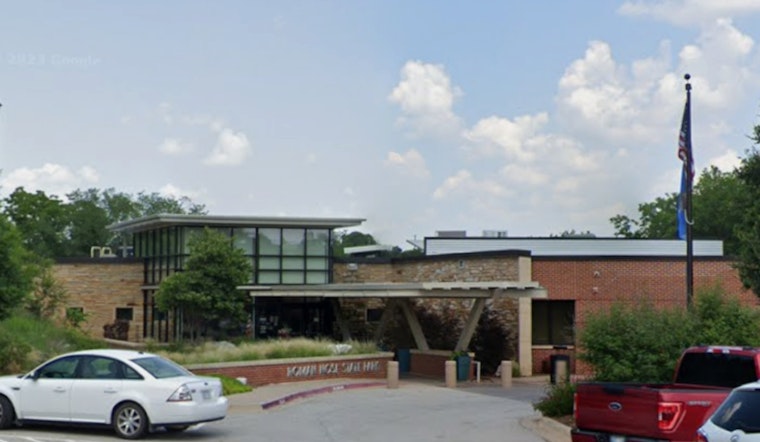
The current RFP covers restaurants at the Beavers Bend, Lake Murray, Quartz Mountain, Robbers Cave and Roman Nose lodges. Sequoyah Lodge is staying off the list for now while remediation continues. State tourism leaders are betting that looser rules, plus the option to bid on a single park, will bring in independent operators and smaller regional concepts that can fine-tune service to each lodge’s traffic patterns and seasonal swings.
Hoodline has been tracking the state park concessions saga since last summer, when several eateries were temporarily shuttered amid contract turmoil. The new RFP is the latest move in the state’s effort to stabilize lodge dining and get more resilient operators in the door.





