

























































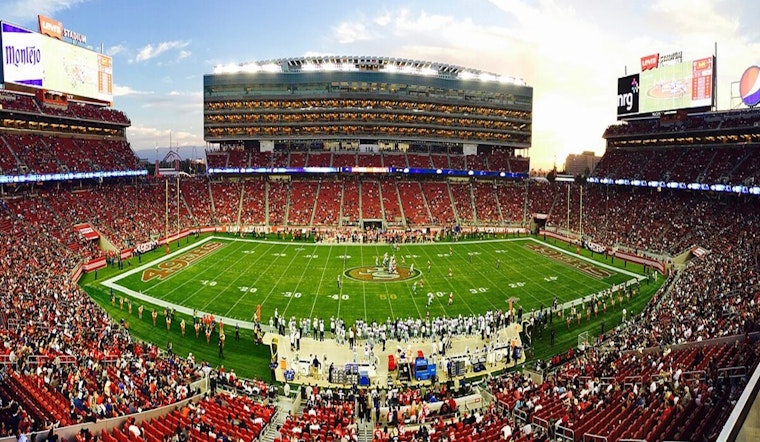
San Francisco is about to feel a whole lot smaller. With Super Bowl week landing in the Bay, the city is loading up on concerts, panels, and fan activations that will pack SoMa, the Civic Center, and the blocks around Moscone in early February. Big paid shows, free public events, and corporate hospitality will all collide as visitors stream in for the Feb. 8 game at Levi's Stadium in Santa Clara. City officials say they have a safety and transit game plan ready, and they are warning residents to expect large crowds, lane closures, and a heavy police presence across the downtown core.
Big-name shows and panels take center stage
The entertainment calendar is getting a marquee upgrade. Chris Stapleton is slated for Bill Graham Civic Auditorium, Sting will play the Palace of Fine Arts, and Benson Boone is also booked into Bill Graham, with dates stacked around the week's fan programming and private hospitality events. Promoters say some of these ticketed shows will double as fundraisers for local charities, turning splashy tour stops into benefit nights for Bay Area causes. The concert plans and timing were first reported by the San Francisco Chronicle.
Innovation Summit and festival programming
Off the stage and into the boardroom, the Bay Area Host Committee is putting on an invitation-only Innovation Summit at SFMOMA on Feb. 6, aimed squarely at tech, media, and sports-business leaders. The gathering will focus on AI, next-generation fan experiences, and the future of live events, framed as a showcase for the region's technology and investment scene alongside the public festival programming. The full agenda and speaker list were outlined by the Bay Area Host Committee.
Safety, policing and legal response
City leaders say they are treating Super Bowl week like a full-tilt operations drill. The San Francisco Police Department will be at full staffing levels, with extra sheriff's deputies assigned to busy pedestrian corridors, and the Department of Emergency Management will run real-time command centers to monitor crowds and incidents. Prosecutors are also gearing up: the District Attorney's office has highlighted a Human Trafficking Task Force that it says will focus on exploitation risks that tend to spike around major sporting events, and has published more information on its enforcement approach through the San Francisco District Attorney. The mayor's broader pledge of clean, safe streets for visitors and residents during the festivities was covered by The Voice of San Francisco.
Road closures and transit changes
Anyone trying to drive through downtown that week may want a backup plan. Officials are preparing substantial road closures and pedestrian-only blocks around Moscone Center, the Ferry Building and the Bill Graham corridor, with portions of Howard Street converted fully to event use and other short-term restrictions layered across nearby streets. Transit agencies are adding extra service: the Valley Transportation Authority is planning additional trains for game day, and SFMTA has mapped out reroutes and loading-zone changes to keep buses, delivery trucks, and rideshare vehicles moving during peak events. For maps, email alerts, and the latest traffic advisories, the event traffic guide on the Bay Area Host Committee site and local coverage from ABC7 lay out the operational details.
Neighbors and advocacy groups raise concerns
Not everyone is cheering the massive pop-up footprint. Advocacy groups and neighborhood organizations warn that big, short-term spectacles often come with aggressive street cleanups and stricter enforcement that tend to fall hardest on people living outdoors, particularly in the Tenderloin and SoMa. City officials say outreach teams and shelter options will stay in place throughout the week and after the events wrap, but organizers point to past high-profile gatherings as reasons to watch closely and document impacts in real time. The tension between civic boosterism and on-the-ground consequences was detailed by the San Francisco Chronicle.
For residents and businesses, the message is to plan ahead. That means checking transit schedules early, building in extra time for commutes, expecting heavier foot traffic and lane restrictions from late January through the first week of February, and signing up for AlertSF or the official Super Bowl update lists for real-time notifications. Local outlets and event organizers are still fine-tuning schedules, street closures, and lineups as the clock winds down on kickoff; KRON4 has a running roundup of the expanding slate of events and the city's prep work.





.jpg)