

























































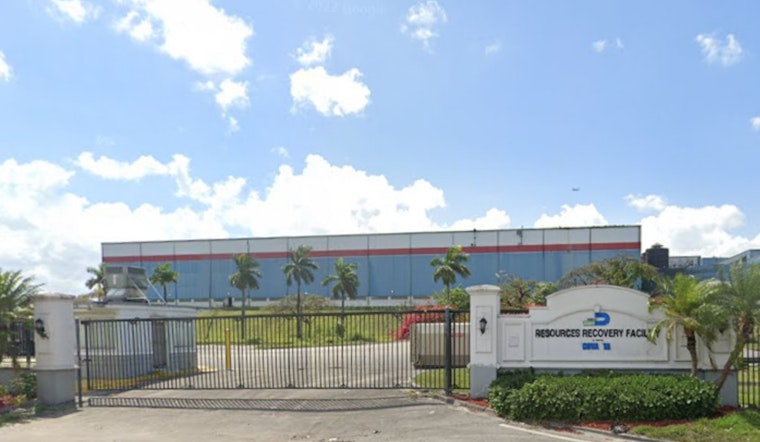
Miami-Dade’s multi‑billion‑dollar hunt for a replacement waste‑to‑energy plant is now a showdown between proposals tied to two private teams, and the politics are already getting messy. County leaders are split over whether taxpayers should shell out for privately owned land up front and then keep cutting royalty checks for decades to make the project happen. The commission is set to take up a measure next Wednesday that would let the mayor start preliminary negotiations, a move that could lock in pricey real‑estate terms before the public really gets a say.
Two bidders, one ticking clock
The county’s shortlist revolves around teams led by FCC Environmental Services and Florida Power & Light, and commissioners have told the companies to stop competing and come back as partners with a joint proposal for the board. As reported by WLRN, county staff expects that joint plan by the next commission meeting on Feb. 18, along with price estimates for handling multiple types of waste.
Where they would put it
In a presentation to commissioners, FPL pointed to a site near U.S. 27, in the area of NW 137th Avenue and NW 178th Street. Bidders and county consultants have also floated other locations, including parcels off Okeechobee Road. Local coverage describes an FPL-backed site in the industrial north of the county, and the county’s consultant Arcadis has previously identified an Okeechobee Road parcel as a workable 65‑acre campus. For deeper detail on the locations and site studies, see Local 10 and the Arcadis review on Scribd.
Price tags and royalties
The financials are where things really start to sting. Some bids would have the county buy private land at the outset, then pay the owners continuing royalties that would add millions of dollars to yearly costs. The Miami Herald reports potential land purchase prices up to $78 million and annual royalty payments near $3 million, while headline estimates for building a full campus are in the range of $1.5 billion to $2 billion. Trade coverage shows wide differences in the size of what is on the table. For example, Waste Dive highlights proposals that run from about 1.0 million tons per year to more than 1.3 million tons per year, depending on the bid.
Commissioners push back
Several commissioners bristled when staff laid out real‑estate options that would shift land acquisition costs to taxpayers. Local reporting shows board members repeatedly pressing staff for clearer short‑ and long‑term cost projections and voicing concern about how hard this could hit ratepayers. During public presentations, some commissioners said the early rate sheets alone made them hesitant to back such a costly deal without stronger protections and guarantees. For a sense of the questions from the dais and public testimony, see Local 10.
How we got here
The scramble to restore in‑county trash processing started with the Feb. 12, 2023 fire that gutted Miami-Dade’s Doral resource‑recovery plant and wiped out a major share of local disposal capacity. Coverage at the time described a multi‑day battle to contain the flames and thick smoke pouring from the facility at 6990 NW 97th Ave. in Doral. Since that loss, the county has been long‑hauling waste while officials sketch out replacement options. See contemporaneous reporting from CBS Miami and WSVN.
What it could mean for households
However the county chooses to pay for a new campus, it will show up directly on residential bills. The Miami Herald notes that about 340,000 Miami-Dade households receive county trash service, with average annual charges in the ballpark of hundreds of dollars per home. That scale of customer base is why commissioners keep pushing bidders for sharper numbers on near‑term rate bumps and long‑term financial obligations that could last multiple decades. Community organizations and environmental advocates, meanwhile, have urged the county to ramp up recycling and organics diversion instead of committing to one large combustion facility, as covered by WLRN.
Next steps and the timeline
If the board signs off on the language next Wednesday, the mayor would be cleared to negotiate a preliminary agreement with the private teams and then bring back recommendations to the commission. County materials and meeting notes suggest that process could stretch into the spring before any final plan returns for a vote. The county’s meeting calendar lists the Feb. 18 board session where this next step is expected to land, and prior commission directives already require the administration to report back on proposals, technology choices and financing structures. Check the county calendar at miamidade.granicus.com for the meeting listing and related documents.
For residents, the choice is blunt. The county can move quickly into a big, potentially expensive land deal with long‑running royalty payments, or keep trucking trash out of Miami-Dade while officials continue to test other ideas. Either route will reshape local garbage bills and the county’s industrial landscape for decades to come.





