

























































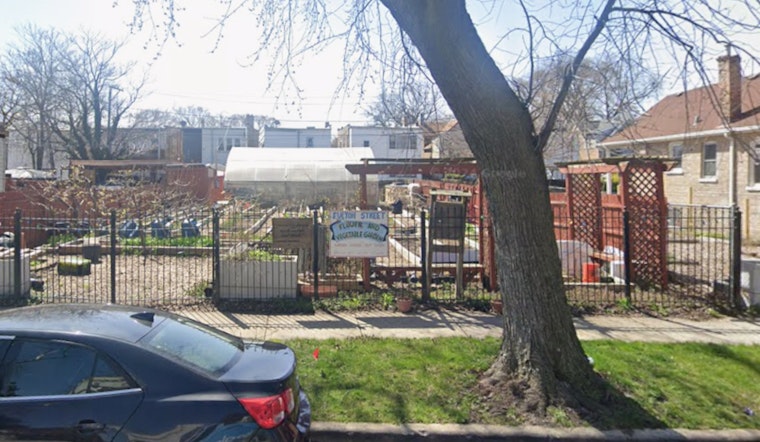
On Chicago's West Side, rows of raised beds and a small neighborhood market are quietly taking aim at one of the city’s starkest statistics. In West Garfield Park, residents are expected to live roughly 20 years fewer than people in the Loop, about 67 years versus about 87, and gardeners say easier access to fresh food is a practical first step toward closing that gap. For many neighbors, growing and cooking food doubles as community building and stress relief, not just a route to better nutrition.
Sammie Taylor, 71, and his wife Angela, 66, have tended the Fulton Street Flower and Vegetable Garden for about 20 years, and they now help coordinate a network that teaches young people to grow food and sells produce at a local market. For $25 a year, residents can rent a raised bed, and during the outdoor season, the market regularly draws roughly 150 shoppers, according to WBEZ. The Taylors say the work keeps them active and gives neighbors a clearer pathway to health.
Gardens, Greenhouses, and the Neighborhood Market
The Garfield Park Garden Network runs a greenhouse on Fulton Street that supplies seedlings to about a dozen community plots and the neighborhood market at the Hatchery on Kedzie Avenue, per the Garfield Park Community Council. Staff says seedlings get their start in early spring, are transplanted in May, and are harvested for sale from June through October, giving families a steady source of fresh produce throughout the growing season.
Small Stores and Coalitions Fill Gaps
Developers and operators are also lining up more traditional grocery options. Living Fresh Market has signed a letter of intent to open a store near Madison and Hamlin, and customers are being told to expect to shop there in roughly two years, reporting by the Chicago Sun-Times. In the meantime, neighborhood food access leans on pantries and small grocers, with Save A Lot now receiving fresh produce deliveries a few times each week, and on coalition work from groups like West Side United. The nonprofit’s COLLAB Network trains and connects about 20 community organizations on food access, program design and small grants, according to West Side United.
Why These Efforts Matter
The scale of the problem is spelled out in city health data. Residents of the Loop have the highest life expectancy in Chicago at about 87 years, while West Garfield Park ranks lowest at roughly 67, a gap of about 20 years, according to CBS Chicago. Public health analyses point to chronic disease, homicide, opioid overdoses and cancer as the main drivers of both neighborhood and racial life expectancy gaps, which is why advocates frame fresh food access as one piece of a larger, long-haul strategy.
“I’m a firm believer that if we eat better, we do better,” Angela Taylor said, explaining the straightforward logic behind the work, as reported by WBEZ. Gardeners and local nonprofits are quick to say the gardens are not a silver bullet, but they argue that seedlings, neighborhood markets and small retail plans deliver immediate food on the table and build the social ties that make long-term change more likely.




