

























































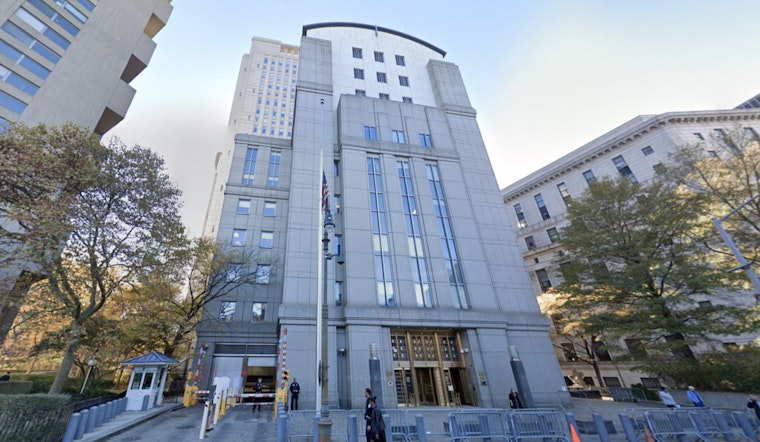
Perplexity is asking a federal judge in Manhattan this week to trim parts of high-profile copyright lawsuits filed by The New York Times and the Chicago Tribune, targeting trademark and other claims while leaving the core allegation about its "answer engine" squarely on the table. It is the latest skirmish in a growing brawl between AI startups and legacy publishers over whether generative tools can recycle paywalled journalism in real time.
In a filing in the U.S. District Court for the Southern District of New York, Perplexity argued that some claims are legally deficient and specifically urged the court to toss or narrow trademark counts, but it did not seek to dismiss the newspapers' central claim that the company reproduces their journalism to generate answers, according to Reuters. The company casts the output-focused allegations as stretched too far and asks the court to demand clearer pleading before letting expansive damages and trademark theories proceed.
Where the cases stand
The New York Times case (No. 1:25-cv-10106) and the Chicago Tribune action (No. 1:25-cv-10094) are both pending in the Southern District of New York and are operating under scheduling orders that set response and briefing deadlines. The dockets are publicly available on Justia and Justia.
What publishers allege
The Times and the Tribune say Perplexity's retrieval-augmented generation tools scrape paywalled articles and then serve up verbatim or near-verbatim text to users, undermining subscription and licensing revenue, as reported by TechCrunch. They also allege the system sometimes fabricates material and wrongly attributes it to their brands, forming the basis of trademark and false-designation claims.
Perplexity's defense
Perplexity counters that many of the most troubling examples surfaced only after publishers or their lawyers crafted highly specific prompts designed to provoke copying, and it argues that outputs containing third-party text should not automatically make the company liable, according to reporting by Business Insider. The company also points to publisher partnerships and programs that share revenue with outlets, and notes that it provides source links for answers when it can.
Legal questions at stake
The courtroom fight over AI "outputs" is testing legal theory on several fronts. Plaintiffs argue that near-identical reproductions are classic direct infringement, while defendants insist that many outputs are simply facts or transformed summaries covered by fair use or related doctrines. Recent orders from the Southern District of New York have allowed some output-based claims to survive early motions to dismiss, so judges there will be watching closely as the briefs dissect plausibility and the reach of trademark law, a trend tracked by legal analysts at Mishcon de Reya and covered by Law360.
What happens next
Under the court's scheduling orders, Perplexity filed its response by the end of February, and the plaintiffs now have set dates to oppose and reply under the calendar the court adopted. Those deadlines will drive the briefing on Perplexity's trimming motion, according to Reuters. Whatever the judge decides could ripple into other pending publisher suits that hinge on similar theories about AI outputs and attribution.
The case is shaping up as another test of how far U.S. copyright and trademark law can stretch to cover the mechanics of modern AI "answer engines," and publishers and platforms alike are treating the outcome as a bellwether for licensing deals and product design. Judges in the Southern District of New York are likely to sift through detailed examples from both sides before deciding how deeply the law reaches into what AI tools serve up to users.



