

























































UCSF surgeons have pulled off a milestone that sounds like science fiction but is now solid Bay Area reality. In the medical center’s first case of its kind, a patient who survived for months on a total artificial heart has now received a human donor heart, giving a local cook and father another shot at life with his kids. The patient, identified in local reporting as Martell Taylor, spent months tethered to an external pump and is now recovering after the donor transplant.
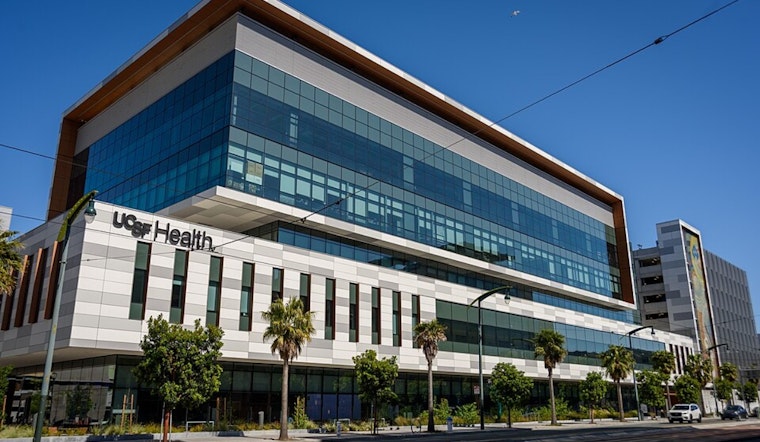
According to UCSF Health, the 37-year-old arrived at UCSF in August 2025 and underwent a six-hour operation at the Helen Diller Medical Center at Parnassus Heights to receive a total artificial heart as a bridge to transplant. He was discharged about a month later. Roughly three months after the implant, he returned for an eight-hour donor heart transplant performed by Drs. Amy Fiedler and Jason W. Smith. UCSF says he continues to recover and hopes to return home to care for his child.
Local TV coverage identified the patient as Martell Taylor, a single father of three who worked as a cook at Meta’s Menlo Park campus, and quoted him saying he was “scared to death” while the machine did the work of his heart. Reporters and caregivers walked through the logistics of life on a total artificial heart, including tubes running from his chest to an external driver carried in a backpack and strict safety rules around small children who could not accidentally tug or trip over the lines. In an interview with ABC7, Taylor and members of the surgical team described in detail what day-to-day life on the device actually looked like.
How Surgeons Bridged the Patient to Transplant
The total artificial heart in this case replaced both of Taylor’s failing ventricles and maintained his circulation until a donor organ became available, a strategy widely known as a bridge to transplant. The device is made by the company behind the SynCardia Total Artificial Heart. The manufacturer says the system is intended to stabilize patients who are too sick to wait for a donor organ and reports that it has been used in thousands of implants worldwide. Picard Medical noted that this particular case allowed the UCSF team to optimize the patient’s condition before proceeding to the transplant.
Why the Case Matters for Waitlisted Patients
The operation highlights how device therapy can buy precious time for people with end-stage heart failure. ABC7 reported that total artificial heart implants remain rare, at roughly 60 nationwide each year, and that about 4,000 people were on the national heart transplant waiting list, with nearly half waiting at least a year. By contrast, a recent Securities and Exchange Commission filing from the SynCardia parent company estimates more than 7,500 people on the U.S. heart transplant list and roughly 4,000 new listings annually, underscoring how counts and reporting windows can differ from one source to another. See ABC7 and the SEC for the differing national estimates.
UCSF leaders framed the case as the result of a multidisciplinary push and said it reflects the center’s expanding mechanical circulatory support program and involvement in next-generation artificial heart research. For this patient, the success is proof that mechanical pumps can keep someone alive long enough for a donor organ to appear, even as donor availability remains the limiting factor for many people facing similar waits.




