

























































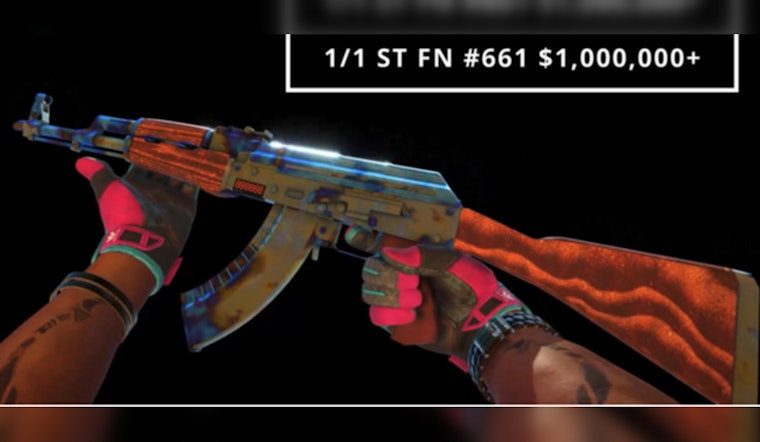
Bellevue-based Valve Corporation is staring down a new federal class-action lawsuit that claims some of its most popular games quietly doubled as an illegal gambling operation through paid loot boxes. The filing argues that flashy, slot machine-style mechanics pulled real cash from players and steered it into a market where rare virtual items could be turned back into money.
The suit, lodged in federal court on March 9, was brought by gamers Alexander Flauto of Ohio and Jackson Meyer of Illinois, according to King 5. Their complaint says Valve required players to purchase keys in order to open randomized in-game cases, then allowed those digital items to be resold on Valve’s own marketplace and on third-party sites.
This new private lawsuit lands on the heels of a February case brought by New York Attorney General Letitia James, who has accused Valve of running loot boxes that “resemble” slot machines and has asked courts to shut the practice down and claw back alleged profits, according to a press release from the New York Attorney General’s Office. As GeekWire noted, that filing zeroes in on loot boxes across Counter-Strike 2, Dota 2 and Team Fortress 2.
The class complaint, according to King 5, describes case openings that feature spinning item displays and near-miss visuals, while the actual prize is selected by a random number generator only after a player hits the open button. Plaintiffs say keys run about $2.49 each, estimate that roughly 96% of the awarded items are worth less than the key itself and peg the odds of scoring an item valued above $10,000 at about 1 in 146,625. The suit also notes that Valve collects roughly a 15% commission on Steam Community Market transactions. Taken together, the complaint argues, those design choices and the ability to cash out transformed routine in-game spending into an alleged gambling engine that padded Valve’s bottom line.
Legal Background in Washington and Beyond
Regulators and tribal governments have clashed with Valve over skins and betting before. In 2016, the Washington State Gambling Commission ordered the company to stop allowing transfers of skins for gambling activities. Three years later, the Quinault Indian Nation filed suit in 2019, alleging Valve’s marketplace gave the company an unfair advantage, as reported by PC Gamer. Together, those earlier fights highlight the stubborn legal question at the heart of loot-box cases: when, if ever, do cosmetic virtual items count as a “thing of value” under gambling laws.
What Plaintiffs Are Asking and What Could Change
The federal complaint seeks recovery of money allegedly lost to the system, along with damages, restitution, attorneys' fees and a jury trial. Whether any of that sticks will hinge on whether courts buy the plaintiffs’ argument that in-game items are effectively convertible into real-world value, a legal threshold that could reshape how games make money if judges side with the players, according to analysis from Jones Walker.
As of publication, Valve had not publicly commented on the new federal case. Reporters tracking the New York Attorney General’s lawsuit say they reached out to the company for a response, according to GeekWire. Valve has previously warned third-party gambling sites not to use Steam APIs, yet has continued to face questions about how its marketplace and trading systems interact with outside cash markets.
The case is still in its early days. The plaintiffs will first have to survive initial motions and secure class certification before any broad payout or sweeping changes come into view. For now, the only sure bet is that the filings, and the scrutiny, are just getting started.



