

























































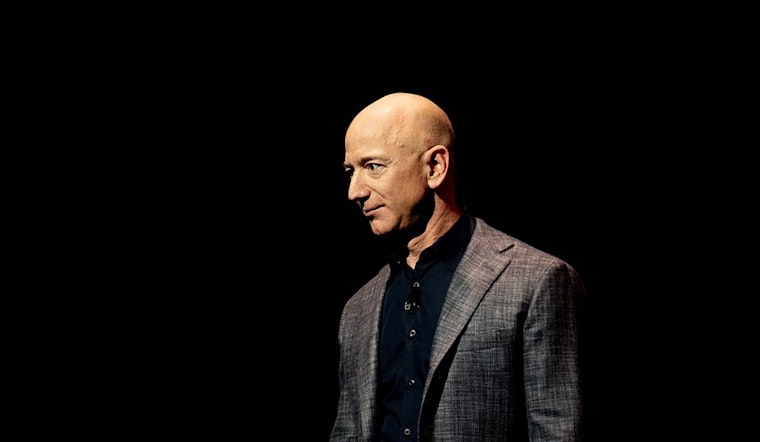
Jeff Bezos is reportedly assembling a colossal $100 billion investment fund aimed at buying up established manufacturing companies and overhauling them with artificial intelligence. If it comes together, the effort would deepen his recent hands-on push into industrial AI and could ripple through factories and supplier networks across the United States and beyond.
The Wall Street Journal first reported that talks are underway this week. According to TechCrunch, the proposed vehicle would seek capital from large asset managers and sovereign investors and would target companies in sectors such as aerospace, chipmaking and defense to speed up automation.
Bezos Ties the Push to Project Prometheus
Bezos has already taken an operating role at Project Prometheus, a startup that launched with roughly $6.2 billion in backing and has been recruiting researchers from major AI labs. The Guardian and other outlets have reported that Prometheus is focused on building advanced AI models for engineering and manufacturing, work that would line up neatly with a buy-and-modernize strategy for older industrial firms.
How the Fund Would Operate
Reporters say the fund would look to acquire existing plants and industrial companies, then plug in Prometheus-built models and automation tools to retool production lines, digitize workflows and cut down on manual steps. TechCrunch notes that Bezos has been meeting with investors abroad, including stops in Singapore and the Middle East, as he tests interest in backing the scheme.
Why This Could Reshape Jobs and Industry
A large, well-capitalized automation push could lift productivity while also changing which local jobs are created, which disappear and which skills are in highest demand. Research from McKinsey finds that AI and robotics can unlock trillions of dollars in economic value but will require widespread reskilling. The OECD likewise points out that manufacturing remains among the sectors most exposed to automation.
Legal and Regulatory Outlook
Acquisitions on this scale would trigger U.S. pre-merger notification requirements under the Hart-Scott-Rodino Act and are likely to attract attention from the Federal Trade Commission and the Justice Department’s Antitrust Division. The FTC’s Premerger Notification Program and the DOJ’s merger-review guidance spell out the thresholds, waiting periods and investigative tools regulators could use if a major industrial roll-up moves forward.
For now, the strategy exists as a reported plan and a series of investor conversations rather than a formal filing, and there are no confirmed deals on the table. As first flagged by the Puget Sound Business Journal, this will be one to watch for concrete investor commitments, public disclosures and regulatory reviews that would turn Bezos’s AI factory bet from rumor into reality.




