

























































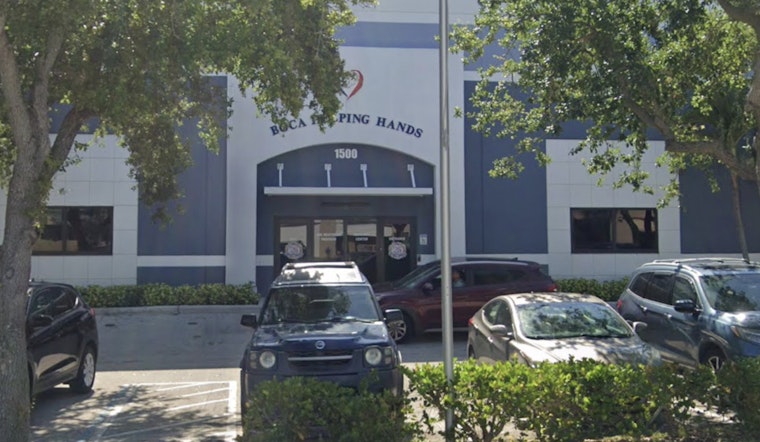
In Boca Raton, the food line is getting longer while the pantry shelves get lighter. Boca Helping Hands, the pantry that feeds thousands across Palm Beach County, is handing out groceries to about 17% more people this year, even as the total pounds of food it receives has fallen by roughly a million pounds from its peak. Volunteers describe lines that wrap around the parking lot six days a week and pantry bags that now hold fewer fresh items than in past years. The slide followed the end of a federal farm-to-food purchase program that once paid for local produce and protein deliveries. Staff and volunteers say they are patching holes wherever they can, but the shift has forced tough choices between feeding more people and keeping bags as nutritious as they used to be.
Pantry strained after federal program ended
One year after that federal program disappeared, Boca Helping Hands reports serving 17% more clients while distributing significantly less food, with a drop from a peak of about 5.4 million pounds to roughly three to a little less than four million pounds this year, a shortfall of about 1 million pounds, according to WPTV. Executive Director Andrew Hagen told the station that the Local Food Purchase Assistance Cooperative Agreement Program had helped keep pantry bags healthier and locally sourced, and that its removal had an immediate impact on what families received. The station also reported that the pantry is still open six days a week, but with noticeably changed contents in those bags.
Federal grants replaced by a tiny pot
On paper, the federal government still has food-bank help in the pipeline, but the scale is dramatically smaller. The U.S. Department of Agriculture is putting up a relatively small pool for Farm-to-Food Bank projects in fiscal year 2026, just $8 million total nationwide, and federal allocation worksheets list Florida's potential share at $500,932. USDA Food and Nutrition Service guidance explains that Farm-to-Food Bank grants require dollar-for-dollar matching, which means a modest federal allotment does not stretch very far. Reporters and food-security advocates have pointed to the cancellation of the roughly $420 million Local Food Purchase Assistance program as a major reason behind the steep loss in supply.
Who is in line
Hagen and pantry staff say the people queueing up for food are not just those out of work. Many are still employed, including cooks, public school teachers and first responders, a sign that rising costs, not only unemployment, are pushing households to seek help, WPTV reports. One client, who goes by Ricky, told the station he turns to the pantry when his paycheck does not quite cover groceries. Volunteers and staff say they are trying to preserve as much dignity and choice as possible, but they also admit that keeping fresh protein and produce in the mix has turned into a constant struggle.
State patchwork only partially fills the gap
Florida has tried to soften the blow. State leaders expanded a farm-to-food effort and lawmakers put new money toward connecting growers with food-bank networks, an approach outlined by Feeding Florida. That state program is modeled on the older federal initiatives, but it also comes with strings attached. USDA guidance still requires matching funds, which can be tough for smaller nonprofits to come up with. The result is a partial bridge; there is more money for local purchases, but not enough to bring pantry shelves and coolers back to the levels they reached a year earlier.
How the pantry is adapting
To keep up with the surge in demand, Boca Helping Hands has overhauled how it hands out food so donations and purchases go further, adjusting some locations and hours to keep pantry-bag counts from dropping. The pantry's public schedule shows its main facility operating Monday through Saturday for pick-ups, with a Thursday evening shift, and a network of neighborhood distribution sites spread across Palm Beach County. Boca Helping Hands also runs a hot-meal program to meet immediate needs, while volunteers and staff juggle the more complicated logistics of fresh foods whenever those items are available.
What officials and neighbors want
Local leaders and pantry administrators are calling on Washington to restore federal support to earlier levels so food banks can once again buy more fresh protein and produce, a request that local reporting and advocates have echoed. As WUSF reports, some leaders have described the new dietary guidelines paired with funding cuts as an "unfunded mandate" that forces pantries to choose between volume and nutrition. For now, volunteers and state programs are trying to fill the gap, but pantry directors warn that both supplies and the quality of what is available are likely to remain strained unless there is a significant boost in federal or private funding.



