

























































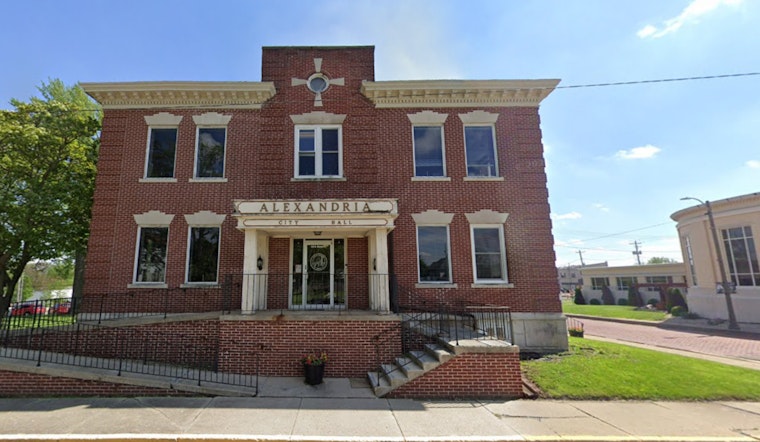
In small Indiana towns, turning on the tap is still a daily gamble. Too often, the water runs brown, stains clothes, ruins filters and makes parents nervous about what is going into their kids’ cups. From Lapel and Alexandria to other communities called out on a state list, families say they have had to lean on bottled water and home filtration just to protect children and appliances. At the same time, public records show dozens of needed upgrades, including new treatment plants and pipe replacements, remain stuck behind price tags that far exceed available funding. The result is a stubborn, hyper-local crisis in which residents live with discolored water while planners scramble to piece together money.
According to The Indianapolis Star, an Indiana Finance Authority report lists dozens of systems, including Kentland, Claypool, Garrett and New Carlisle, that need new treatment plants or major distribution upgrades. The outlet reports that the IFA counted 104 project requests totaling more than 1.3 billion dollars while the State Revolving Fund provided only about 74 million dollars, leaving many projects without support. The same reporting includes residents’ stories of brown tap water pouring into baby bottles and whole-house filters turning nearly black in short order.
The Indiana Finance Authority explains that the Drinking Water State Revolving Fund is fueled largely by federal EPA grants combined with state matching dollars and offers low-interest loans and subsidized aid to communities. Program documents show the fund closed 27 drinking water loans totaling about 206 million dollars in state fiscal year 2024, yet they also stress that demand still runs ahead of available capital. The IFA report leans hard on asset management, fiscal sustainability plans and regional approaches as key strategies to stretch every funding dollar.
Why the water turns brown
That brown tint is usually the result of iron and manganese that build up inside old pipes or treatment equipment and then get knocked loose by changes in pressure, flushing or failing hardware. Replacing long runs of corroded cast-iron mains or building an entirely new treatment plant can cost millions of dollars, yet state Community Development Block Grant guidance shows OCRA awards for drinking water and wastewater construction generally top out around 650,000 to 750,000 dollars, depending on the program. In Charlestown, a recent multi-million-dollar filtration upgrade finally cleared years of reddish-brown water, according to WAVE3, which also noted the system is the first in Indiana designed to remove so-called forever chemicals from the city’s drinking water.
Where the money falls short
State aid helps, just not enough to match the backlog. The Indianapolis Star reports that the Office of Community and Rural Affairs funded 64 projects over the last five years, awarding about 43 million dollars in total. Many communities, though, applied for much larger grants or loans and walked away empty-handed. That math goes a long way toward explaining why some towns tackle water fixes in small phases instead of ripping out and replacing failing systems all at once.
What residents are doing right now
In the meantime, families are doing what they can on their own. Local accounts and residents’ groups say people have spent thousands of dollars on point-of-use filters and softeners, organized bottled water drives and pushed for public meetings to demand more testing and clearer timelines, according to LiveInLapel. Those same community reports note that officials sometimes respond by pointing to legally acceptable drinking water thresholds, even as neighborhood-level sampling and transparency stay limited. The patchwork of personal fixes is expensive, and it is also wearing away trust between utilities and the people who pay the bills.
Turning that around will require sustained funding and sharper planning. Indiana has set up a Water Infrastructure Assistance Fund in recent years to help smaller systems, but the pool of money is modest and many projects have to compete head to head for support, Indy Chamber notes. Residents and engineers argue that clearer testing, public timelines and regional planning, backed by larger state and federal investments, are the practical steps that could keep brown water from being an everyday problem in the next Indiana town over.





