

























































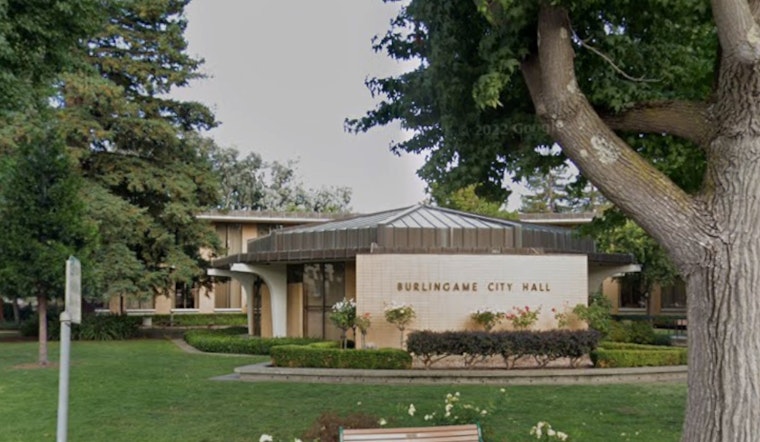
Burlingame is cruising toward its state housing target on paper, but the fine print tells a different story for residents who need lower rents. The city has signed off on nearly 40% of the 3,257 homes it is required to plan for in the 2023 to 2031 housing cycle, and most of those approvals are for above-market-rate units. City officials at last Monday’s City Council meeting touted the numbers as a major step forward while also warning that Burlingame is still lagging badly on deeper affordability during a discussion of the city’s 2025 Annual Progress Report.
City staff told the council that Burlingame has already approved close to 40% of its Regional Housing Needs Allocation, or RHNA, for 2023 to 2031, with approvals heavily stacked toward above-moderate units, according to the San Mateo Daily Journal. Since 2022, the city has approved about 991 homes in the above-moderate category, roughly 75% of that income band, while only a much smaller share of moderate and very-low-income units has moved forward.
Under Burlingame’s adopted 2023 to 2031 Housing Element, the city’s RHNA allocation breaks down as 863 very-low, 497 low, 529 moderate and 1,368 above-moderate units, for a total of 3,257 homes that must be planned for by 2031. Those figures, along with the Housing Element’s tables and program commitments, form the basis of the data in the Annual Progress Report. The full Housing Element plan remains available in the city’s public documents.
Most approvals are still market-rate
During the meeting, Community Development Director Neda Zayer told councilmembers that the early progress is significant, especially given the short timeframe. “We have achieved close to 40% of our [Regional Housing Needs Allocation] numbers, which is a high mark and a huge achievement for the city to have made that much progress in such a short amount of time,” she said, according to the San Mateo Daily Journal.
Mayor Michael Brownrigg added that the work speaks for itself as the council weighed how to keep affordability meaningful within that overall progress. The conversation quickly turned to what it will take to boost production for lower-income households. Councilmember Donna Colson floated the idea of hiring a full-time housing specialist dedicated to the tougher work of delivering truly affordable units, a role that would be aimed at closing the current gap between market-rate approvals and deeply affordable homes.
Affordability gap and regional context
The pattern in Burlingame fits a familiar Bay Area and statewide trend where market-rate projects tend to move faster than deeply affordable housing. The Housing Readiness Report shows that Burlingame has permitted only about 12 to 13% of its very-low and low RHNA targets so far. At the same time, statewide reporting has found that roughly 40,000 affordable units are “shovel-ready” but stuck in limbo because of financing and pipeline problems, according to CalMatters.
What is next for Burlingame
Last Monday’s City Council agenda included the 2025 Annual Progress Report materials and a separate item to consider the state’s SB 79 transit-oriented housing law. Staff placed the APR tables in the council packet for review and are expected to finalize the documents and submit the full report and tables to state reviewers by the April 1 reporting deadline for Housing Element APRs, as laid out in the meeting packet.
The city’s progress to date shows clear momentum, but both officials and housing advocates say the next chapter has to focus on ramping up production of very-low and low-income homes if Burlingame wants to hit its state targets and avoid pressure to rezone or face developer remedies. For a sense of what that pressure can look like close to home, regional reporting on San Mateo County's rezoning scramble highlights the urgency and the policy tools cities may be forced to use to get those units built.





