

























































A fresh $400 million fight has landed in Sacramento, and this one is all about how far California is willing to go to back its own voters.
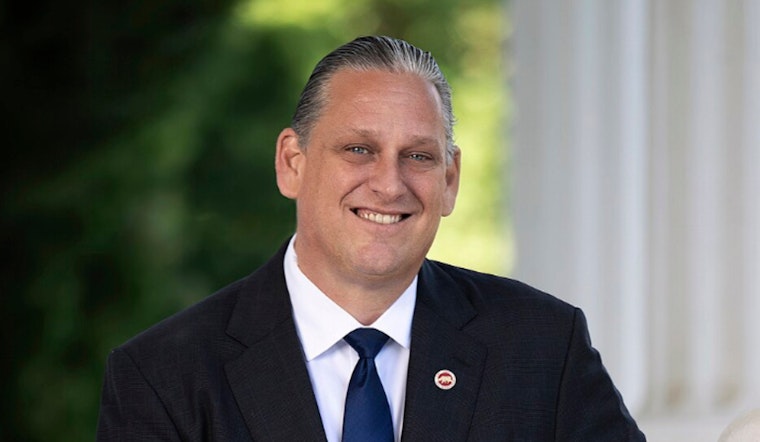
Republican state Sen. Tony Strickland of Huntington Beach has formally asked the Legislature to carve out $400 million in one-time funding to fully launch Proposition 36, the voter-approved measure that stiffens penalties for some theft and drug offenses and expands treatment options. He laid out the request in a letter to the Senate budget chair, asking lawmakers to bankroll courts, probation, and treatment programs tied to the initiative, according to Sen. Strickland's office. Strickland argues counties will need the money for treatment slots, probation staff, and court support as Prop 36 kicks in.
The letter went to Sen. John Laird, who leads the Senate Budget and Fiscal Review Committee and will be a key gatekeeper for any such appropriation, according to the senator's committee page. ABC10 reported that Laird declined to comment on Strickland's push.
What Prop 36 Would Change And Why It Comes With A Price Tag
Proposition 36, approved by California voters in November 2024, tightens penalties on certain repeat thefts and drug crimes and creates a new “treatment-mandated felony” track that broadens court-ordered treatment for some defendants. Those changes are expected to send more cases back into felony territory and increase court workloads, which both supporters and critics say cannot happen on the cheap.
The nonpartisan Legislative Analyst's Office has warned that implementing Prop 36 is likely to raise state and local criminal justice costs by anywhere from several tens of millions to the low hundreds of millions of dollars each year, according to Legislative Analyst's Office testimony at legislative hearings. The analysis underscores that the tougher penalties and added treatment infrastructure will require sustained funding, not just one-off grants.
Where The Money Stands
So far, the state has put only a down payment on that price tag. Lawmakers and the governor agreed last year to about $100 million in one-time funds to help counties start rolling out Prop 36, a figure that falls well short of the $400 million Strickland is now seeking, according to CalMatters and state budget documents. The governor's team has also pointed to recent competitive grants that local agencies can tap for Prop 36-related work, but supporters argue that kind of patchwork funding will not cover a true statewide implementation. The administration has highlighted other discretionary grants and one-time allocations in public announcements from the governor's office.
Republican senators recently tried to bolt the full $400 million onto a budget trailer bill on the Senate floor. That amendment went down on a party-line vote, underscoring the partisan split over whether lawmakers are obligated to pour hundreds of millions into a voter initiative that did not identify its own funding source, the Daily Journal reported. Democratic lawmakers say the state is juggling competing priorities and insist questions about how much is actually needed, and how it would be spent, have to be hammered out in hearings rather than on the floor.
Law Enforcement And Budget Watchers Weigh In
On the ground, law enforcement leaders and some county officials are telling legislators that without more money, Prop 36 will be far harder to manage. Sacramento County Sheriff Jim Cooper testified that the measure "does not create mass incarceration, but rather puts people who need to be in jail, in jail," and pressed the state to help shore up court operations and treatment capacity, according to Courthouse News Service.
At the same time, veteran Capitol observers and legal analysts are throwing cold water on the notion that $400 million is a sure thing. Because Prop 36 did not spell out how its new costs would be covered, they say, winning such a large appropriation will be a steep political lift. Columnist Chris Micheli has argued that ballot measures that require significant spending are supposed to say where the money comes from, and that courts are unlikely to force legislators to write the check, an argument that has surfaced in public comments and opinion pieces in the California Globe and in budget hearings.
For now, Strickland's request sits in Sen. Laird's in-box as budget talks head into the late innings. Whether the Budget and Fiscal Review Committee moves ahead with the full $400 million, trims it back to a narrower package of targeted grants, or kicks the fight to another day will double as a stress test of how willing Sacramento is to match voter mandates with actual money. Lawmakers on both sides of the aisle are signaling that more hearings, more horse-trading and more late-night negotiating sessions are coming before the final votes are cast.



