

























































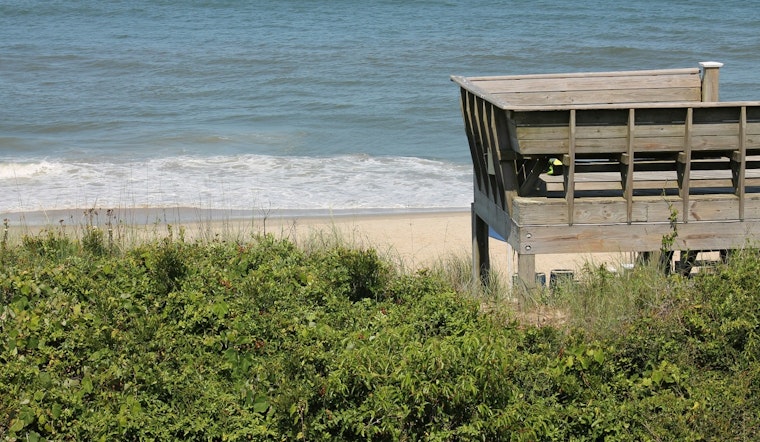
Erosion along the Outer Banks has peeled back the sand on a Corolla beach, exposing the remains of a buried whale and unleashing a powerful, foul smell that neighbors say is impossible to ignore. A local civic group has raised the alarm publicly and is pressing county leaders to respond, as Currituck County commissioners prepare to present a shoreline stability and beach management plan at a retreat on Friday, March 6, 2026.
Neighborhood Group: Whale Burial Exposed and 'Stinks to High Heaven'
The Corolla Civic Association reported on social media that erosion had uncovered parts of a whale carcass that had been buried above the high tide line and described the odor as “stinks to high heaven,” according to the Charlotte Observer. The group also reminded county officials that tourism to the beaches brings in more than 60% of Currituck County’s revenue and urged them to put beach stabilization near the top of the priority list.
What Was Buried: A Necropsy, Then a Beachside Grave
Before the smell became a neighborhood complaint, the whale was the focus of a standard stranding response. Local responders conducted a necropsy after a juvenile humpback washed ashore, then buried the carcass on the beach berm, according to local reporting. The April 2025 necropsy measured the whale at about 33 feet, 7 inches and documented fractured cervical vertebrae that pointed to blunt force trauma. Currituck County Public Works helped move and bury the animal, the Coastland Times reported. Samples were collected for scientific study as part of the official stranding investigation.
County Study Flags Long-Term Risk to Corolla Homes
Currituck County’s 2025 Beach Monitoring and Beach Stability Assessment labels the northern Corolla stretch as one of the most vulnerable sections of the county’s 22.6 miles of oceanfront. The report projects that 43 oceanfront houses in that northern Corolla section could be affected over a 30 year period, with 19 of those homes shown as being at risk within 20 years. It calls for continued monitoring and a formal Beach Management Plan, findings that are detailed in the county’s 2025 assessment. County officials have said that any potential beach nourishment projects would be funded through occupancy tax revenue, federal or state grants, or a possible service district tax on Corolla property owners, rather than taxes collected on the mainland. The full assessment is available in the Currituck County 2025 report.
Outer Banks Erosion Has Already Taken Homes Down
Corolla’s newly exposed whale grave is unfolding against a backdrop of highly visible erosion impacts nearby. Cape Hatteras National Seashore and local outlets have documented a series of oceanfront house collapses in recent years, a total that has reached 31 privately owned homes since 2020, underscoring how storms and sea level rise are reshaping the barrier islands, according to WRAL. Those collapses have scattered dangerous debris, forced beach closures and intensified arguments over who should pay for prevention and cleanup.
What Happens Next
County leaders are expected to walk through monitoring strategies, timelines and funding options in the shoreline stability and beach management plan at the March 6 retreat, drawing on county materials and recent reporting by the Charlotte Observer. Cape Hatteras National Seashore rangers have urged the public to stay away from collapse sites and debris fields while assessments and cleanup continue, according to a National Park Service news release. The Corolla Civic Association argues that the exposed whale burial shows how quickly erosion can turn from an abstract policy problem into an everyday nuisance for a community that depends on clean, inviting beaches.
This story will be updated as county officials, park staff and local groups respond, and as any cleanup or stabilization work is announced. Local leaders say they plan to push for faster action while county staff finalize the broader management plan.





