

























































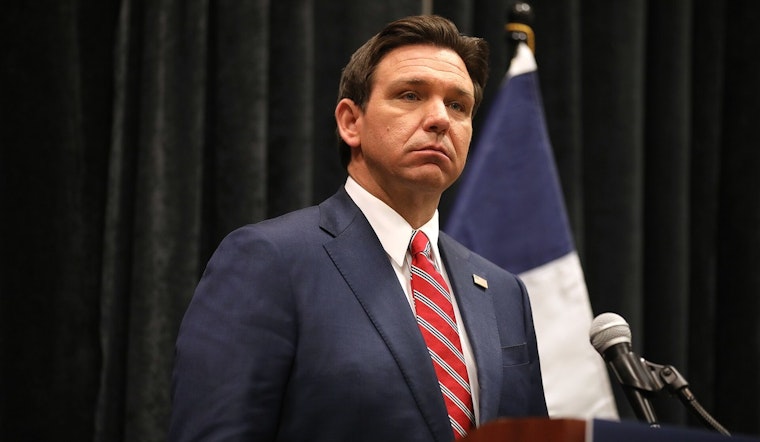
Gov. Ron DeSantis said Tuesday, March 31, 2026, that he has signed a package of bills that will sharply increase penalties for dangerous crimes and a wide range of sexual offenses across Florida. He cast the move as a bid to shield children and keep repeat offenders locked up longer, capping a legislative session that sent dozens of criminal justice bills to his desk.
What the Bills Actually Do
The marquee bill in the package, House Bill 1159, rewrites portions of Florida’s sex crime statutes. Among the changes: the term “child pornography” is replaced with “child sexual abuse material,” new crimes are created for generated child sexual imagery, and mandatory minimum penalties are expanded for certain repeat offenders. The measure also increases penalties for some offenses involving animals and widens the conduct that can trigger enhanced punishment, according to the Florida Senate.
Lawmakers also moved related changes that adjust custody and remand rules after conviction, along with other public safety tweaks. A local rundown of measures heading to the governor lists HB 1159 alongside bills that broaden the legal definition of dangerous crimes and address pretrial custody, as reporters noted when the Legislature shipped a stack of proposals to Tallahassee this month, according to News4Jax.
Missy’s Law And The Dangerous Crimes List
Another high profile piece, HB 445, better known as "Missy’s Law," orders courts to immediately remand a person to custody after a conviction for any offense classified as a “dangerous crime.” The bill also explicitly adds computer pornography and child exploitation related violations to that list. Supporters pushed it as an answer to cases in which people accused or convicted of violent or sexual offenses remained free on bond and later harmed victims. The bill text and legislative summary on the state site spell out the remand rules and reclassification language.
Backers argue this package closes loopholes that prosecutors and judges say they have run into in child exploitation and other serious cases. Opponents, including some defense advocates, counter that broad mandatory minimums and automatic remand rules tie judges’ hands and can drive up the time people spend behind bars even before sentencing. That tug of war has followed the bills from early committee hearings through final House and Senate votes, as covered by the press.
How Penalties Will Shift
Under HB 1159, repeat sex offenses will carry significantly steeper minimum sentences in many situations. Examples highlighted in legislative summaries and coverage include jumps from 10 to 15 years or from 20 to 30 years for certain second qualifying offenses, along with new life felony exposure for aggravated use of a child under age 12. Those sentence changes and reclassifications appear in state legislative documents and in reporting by the USA TODAY Network Florida team. According to USA TODAY Network - Florida, the bills also tighten penalties for creating or transmitting AI generated child sexual images.
Legal Fallout And Timeline
If the measures take effect as written, most provisions will kick in on July 1, 2026, which is the standard start date lawmakers set for newly passed bills. That gives prosecutors, defense attorneys, and judges the spring and summer to adjust to new sentencing ranges and custody requirements. Legislative analyses and bill tracking show how the changes plug into Florida’s Criminal Punishment Code and related statutes, and advocates on both sides have already warned that some of the provisions could invite constitutional or procedural challenges once they start showing up in real cases, according to LegiScan.
What Comes Next
The governor’s social media post announcing the signings is the first public signal from his office, with formal enactment to appear later in transmittal letters and state code updates if the bills stand. From there, the real test will be in the courts. How prosecutors choose to charge generated image offenses, how judges interpret the new remand rules, and how local bond practices shift will likely drive a fresh wave of local coverage and, potentially, legal challenges in the months ahead.





.jpg)